
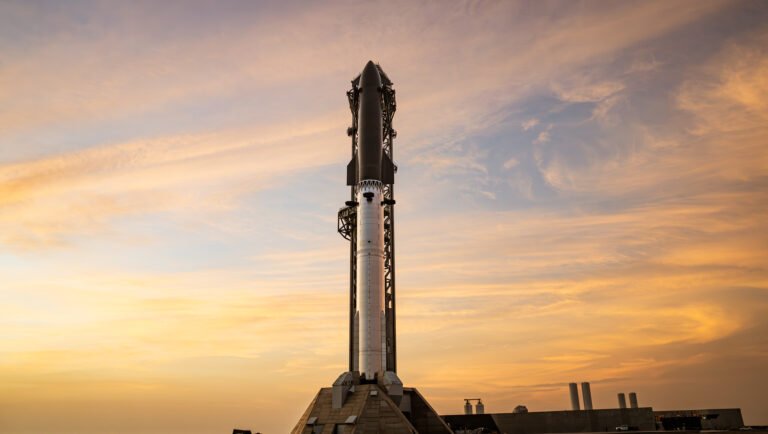
SpaceX has taken a significant step forward in space exploration with the successful launch and soft splashdown of its Starship Flight 13. This mission, which took off from SpaceX's Starbase in Texas, demonstrated crucial advancements in the development of the next-generation rocket. With a height comparable to a 40-story building, the Starship is designed to serve as a fully reusable launch system. The spacecraft's recent performance was particularly noteworthy for its unprecedented splashdown in the Indian Ocean, a feat that has set a new benchmark for future missions.
CEO Elon Musk celebrated the achievement, highlighting that the Starship remained intact and was transmitting telemetry after its landing. This marks a pivotal moment in SpaceX's journey to create a reliable launch vehicle capable of supporting ambitious projects like lunar missions.
What led to this historic launch?
The journey to this successful launch was anything but straightforward. SpaceX encountered several challenges leading up to Flight 13, including a previous attempt on July 16 that was aborted due to engine issues. After replacing several first-stage Raptor engines, the team prepared for a second attempt on July 23, only to be thwarted by unfavorable weather conditions.
Finally, on July 24, 2026, the rocket took off at 6:51 p.m. EDT. This launch marked only the second flight of SpaceX's new Starship Version 3 design, following the rough outing of Flight 12, where the booster failed to land successfully.
What really happened during the mission?
As the flight progressed, the Super Heavy booster successfully separated from the Starship upper stage, which then deployed 20 next-generation Starlink satellites. These satellites are equipped with advanced laser communication technology and are intended to bolster SpaceX's existing internet constellation.
Despite a few hiccups, such as the booster hitting the Gulf of Mexico with more velocity than planned, the mission overall was deemed a success. The upper stage later reignited one of its engines, a crucial test for future missions that require orbital entry and exit capabilities.
What scientists will learn from this mission?
The successful splashdown provides invaluable data for SpaceX's engineering team, particularly regarding heat shield performance and recovery techniques. As noted by spokesperson Dan Huot, this 'softest splashdown' offers an opportunity to analyze the spacecraft's systems and improve future iterations.
The telemetry data being transmitted back from the floating Starship will help engineers refine their designs and operational protocols, crucial steps as they gear up for more ambitious missions.
What's next for SpaceX and Starship?
Looking ahead, SpaceX has a packed schedule to fulfill its ambitious goals. Over the next two years, the company aims to achieve a full Earth orbit with Starship and develop a refueling capability for in-space operations. Additional milestones include building an orbital tanker version and a crewed lander for NASA's Artemis IV mission to the Moon.
NASA Administrator Jared Isaacman expressed excitement over the mission's success, highlighting its potential for changing how we access space. With each test flight, SpaceX edges closer to making reusability a reality in space travel.