July 2026 is shaping up to be an exciting month for skywatchers! With a variety of celestial events lined up, including a gathering of the Moon and planets, a returning comet, and a breathtaking view of the Milky Way, there’s plenty to look forward to. Whether you’re a seasoned astronomer or just a curious stargazer, this month offers something special for everyone.
Predawn Planetary Gathering
On the mornings of July 11 and 12, set your alarm early to catch a spectacular sight in the eastern sky. Just before sunrise, the waning crescent Moon will be joined by Mars and Saturn, creating a stunning planetary lineup. The Moon will serve as a helpful guide, pointing you toward the reddish glow of Mars, which appears as a small dot, while the bright brilliance of Saturn will be easily recognizable nearby.
Spotting Uranus
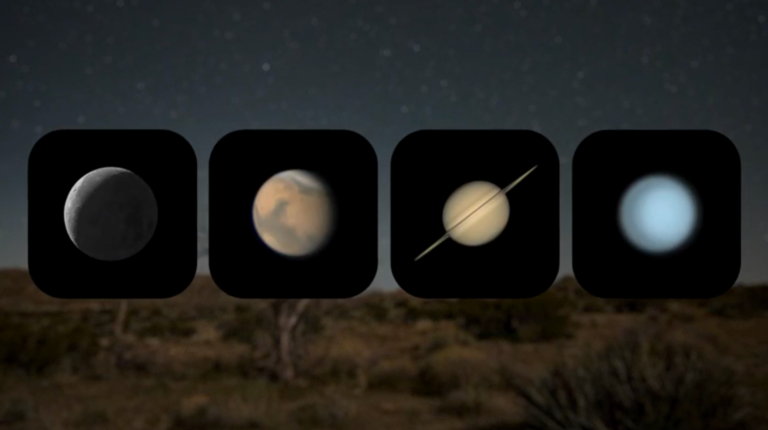
Before sunrise on July 11 and 12, the Moon, Mars, Saturn, and Uranus will parade in the eastern sky.NASA/JPL-Caltech
In addition to Mars and Saturn, Uranus will also be in the vicinity, but it will be much fainter. To catch a glimpse of this distant planet, you’ll need binoculars or a telescope. While Mars and Saturn will be easy to spot, Uranus will require a bit more effort, making it a fun challenge for those equipped with the right tools.
Comet 10P/Tempel 2 Returns
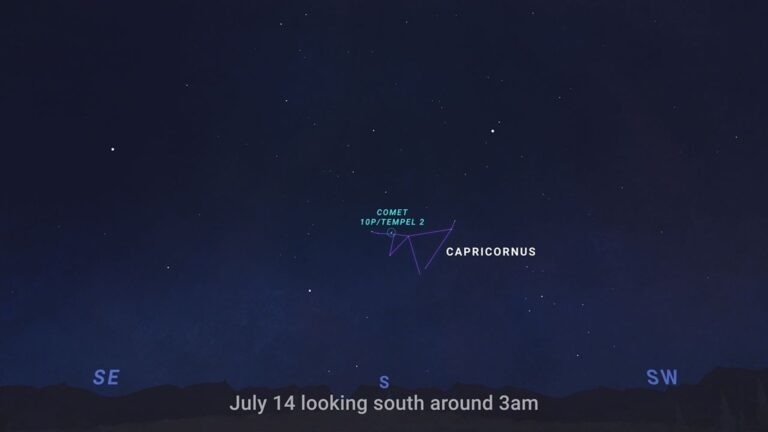
Mark your calendars for July 14, when Comet 10P/Tempel 2 makes its return to the inner solar system. This short-period comet, which orbits the Sun approximately every 5½ years, is not a spectacular sight for casual observers, but it can be an exciting find for those with binoculars or telescopes. Look for it in the constellation Capricornus, where it may appear as a fuzzy glow with a brighter center and a short, broad tail.
NASA/JPL-Caltech
Best Viewing Conditions for the Comet
To have the best chance of spotting Comet 10P/Tempel 2, seek out a dark location far from city lights. Once the sky is fully dark, ideally about 45 to 60 minutes after sunset, begin your search. The darker the surroundings, the better your chances of seeing this elusive comet as it glides through the night sky.
Milky Way Visibility
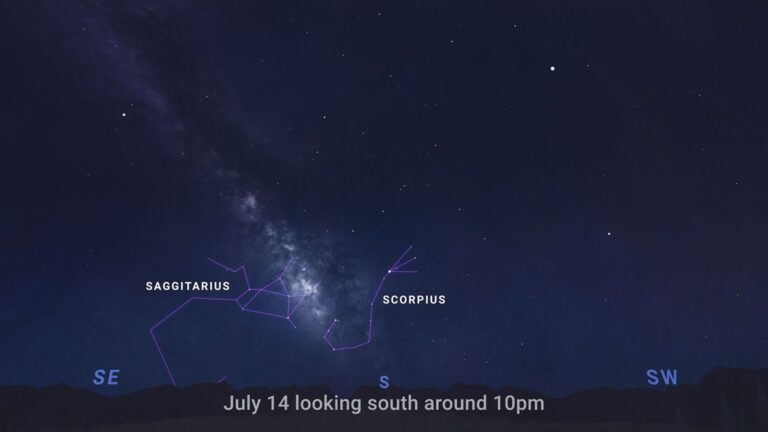
The nights surrounding the New Moon on July 14 also present an excellent opportunity to view the Milky Way. In a dark area, away from artificial light, the Milky Way will appear as a beautiful, pale band stretching across the summer sky. This stunning sight is particularly vivid as it marks the direction of the galactic center, where countless stars are clustered together behind clouds of cosmic dust.
Finding Scorpius and Sagittarius
As you gaze up at the Milky Way, look for the constellation Scorpius, which resembles a large hook or scorpion tail. This constellation is located low in the southern sky and is accompanied by the bright, cloudy region of the Milky Way. Nearby, you will also find another constellation called Sagittarius, which adds to the celestial beauty of the scene.
Tips for Viewing the Milky Way
To maximize your chances of seeing the Milky Way, find a truly dark spot, allow your eyes to adjust to the darkness, and avoid looking at your phone, as it can ruin your night vision. The more time you spend in the dark, the more stars will reveal themselves, creating a breathtaking view of our galaxy.
Saturn's Rings at a New Angle
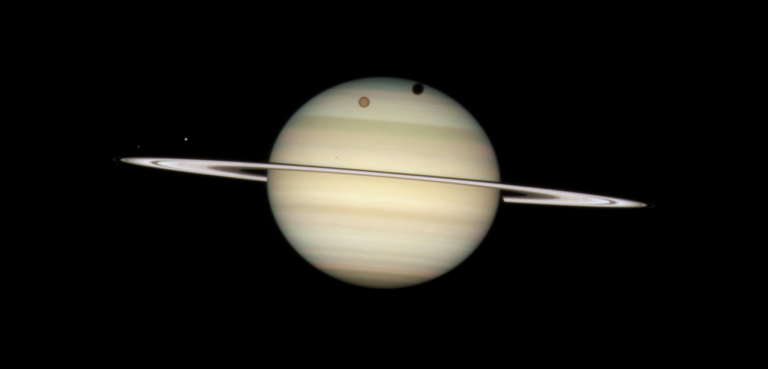
Later in July, Saturn will be an exciting target for telescope users. The rings of Saturn will be tilted at a shallow angle from our perspective on Earth, making them appear unusually thin. While the rings are not disappearing, their appearance changes over time, reminding us that our view of the solar system is always evolving.
Moon Phases for July
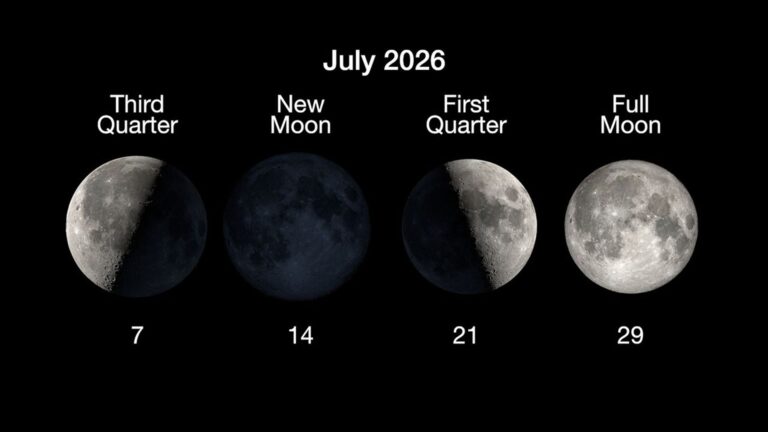
To keep track of the night sky, it's helpful to know the phases of the Moon for July. This month, the New Moon occurs on July 14, which is an ideal time for stargazing as the sky will be darker, allowing for better visibility of celestial objects. Be sure to check the lunar calendar to plan your skywatching adventures.