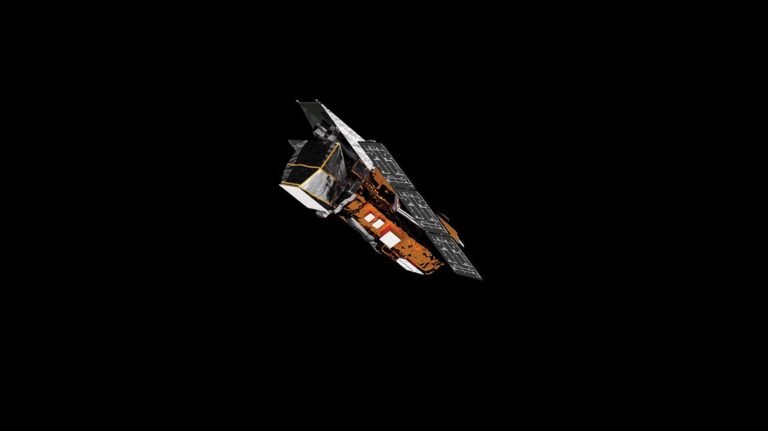
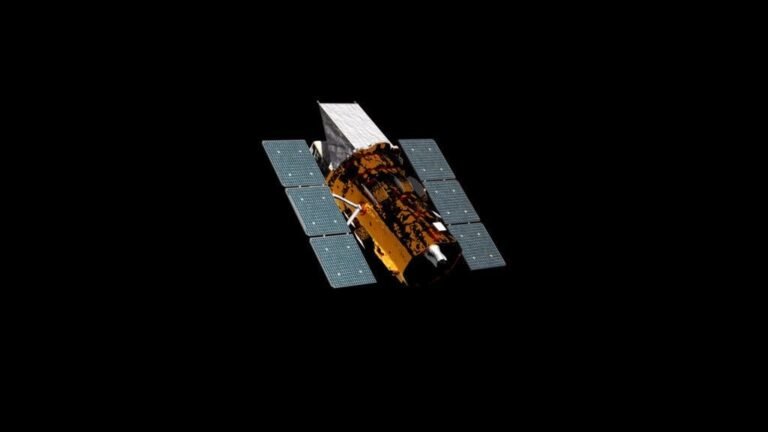
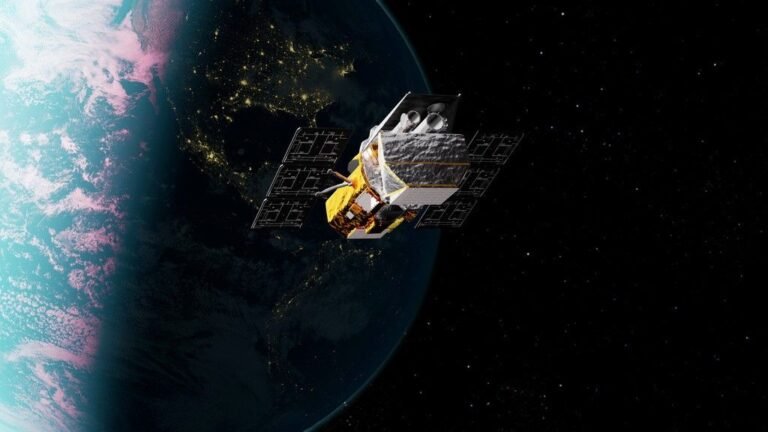
NASA has taken an exciting step to rejuvenate its Neil Gehrels Swift Observatory by awarding a contract to Katalyst Space. This initiative aims to elevate the observatory’s sinking orbit, ensuring that it can continue its vital mission of observing a diverse array of cosmic phenomena. Swift is renowned for its ability to swiftly detect and analyze various cosmic events across different wavelengths of light, including visible, ultraviolet, X-ray, and gamma-ray emissions. The observatory has been instrumental in advancing our understanding of the universe, and this boost mission is set to extend its operational life significantly.
Launch of the LINK Spacecraft
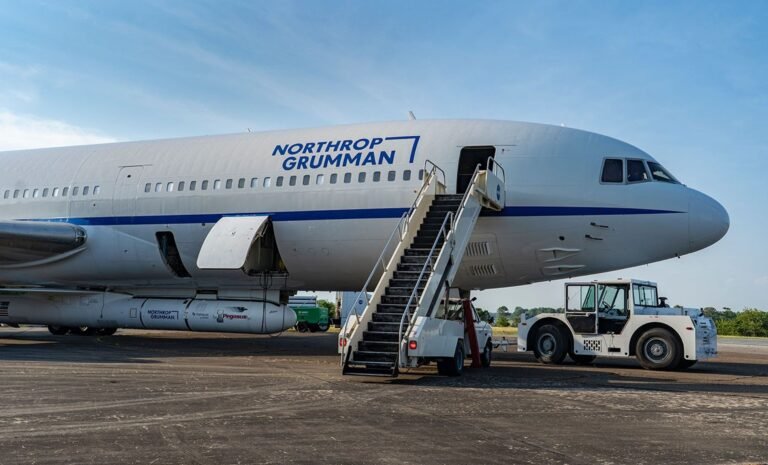
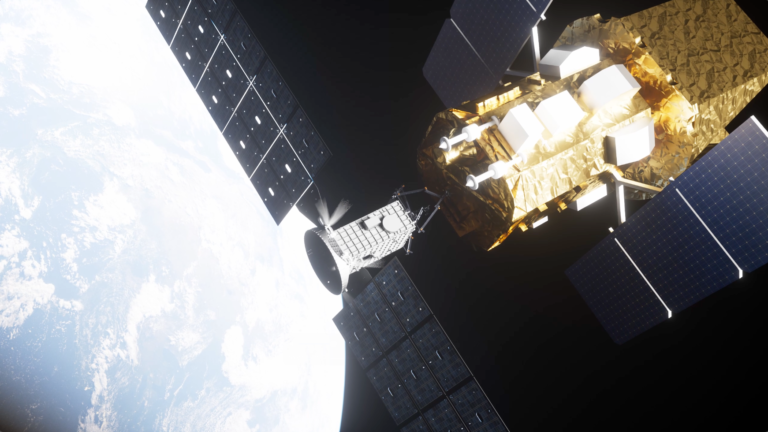
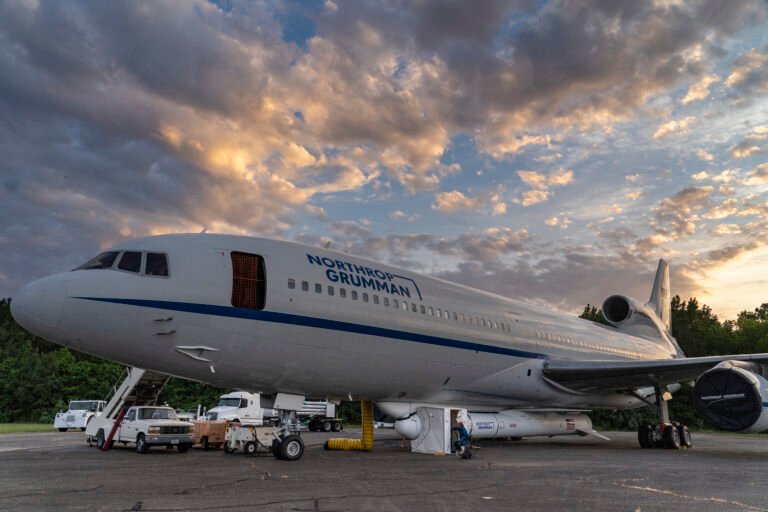
In July 2026, Katalyst Space made a significant leap forward by launching its LINK robotic servicing spacecraft aboard a Northrop Grumman Pegasus XL rocket. This innovative mission aims to capture the Swift Observatory and raise its orbit over a planned timeline of several months. The Pegasus XL rocket, launched from the Stargazer aircraft at an impressive altitude of around 40,000 feet, successfully deployed the LINK spacecraft into orbit. This marks a key moment in utilizing robotic technology for spacecraft servicing, showcasing the potential for future missions.
Challenges of Low Earth Orbit
All spacecraft in low Earth orbit, including Swift, face a common issue: atmospheric drag. This drag gradually decreases their altitude unless they have propulsion systems to counter it. Recently, an increase in solar activity intensified this effect on Swift, causing it to descend more rapidly than expected. To address this, teams at NASA’s Goddard Space Flight Center and Pennsylvania State University have collaboratively implemented innovative operational strategies. Their efforts aim to maintain Swift's altitude at a safe level of at least 185 miles (300 kilometers) above Earth, which is crucial for the success of the boost mission.
Extending Swift's Scientific Legacy
NASA had the option to allow Swift to re-enter the atmosphere, but this situation presented a unique opportunity. By undertaking the boost mission, NASA not only extends the scientific life of the observatory but also demonstrates a critical capability for future space exploration. This mission is a cost-effective alternative to building a new observatory from scratch, preserving the invaluable data and insights that Swift has provided since its launch. The success of this mission could pave the way for similar robotic servicing efforts in the future.

A New Era of Space Servicing
The partnership between NASA and Katalyst Space highlights a new era in space servicing. By leveraging advanced robotics and innovative technologies, this mission not only aims to boost Swift’s orbit but also serves as a testbed for future missions that could involve maintaining and enhancing other spacecraft. As we look to the future of space exploration, this mission is a testament to human ingenuity and the potential for sustainable operations beyond our planet.