
On July 16, 2026, NASA announced an exciting partnership with SpaceX to enhance communications for the upcoming Artemis III mission. This collaboration will integrate SpaceX's laser communications technology into the Orion spacecraft, allowing us to experience the mission like never before. By utilizing laser links, NASA aims to provide real-time, high-definition imagery and video from the mission, showcasing the astronauts' journey as they test vital rendezvous and docking capabilities. The Artemis III mission will be crucial as it prepares for a future lunar landing. The plan is to return astronauts to the Moon by 2028, marking a significant step in humanity's exploration of deep space.
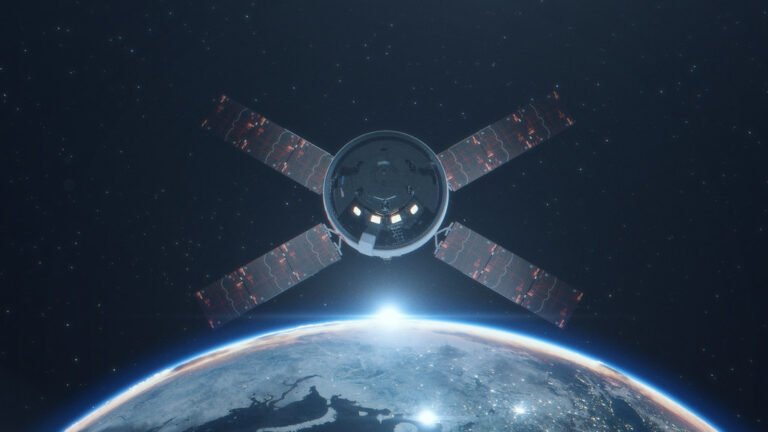
When Artemis III is set to launch
So far in 2026, preparations for Artemis III are in full swing. The mission is scheduled for launch in late 2026, and it will feature a crew of four astronauts. These astronauts will be testing the capabilities of the Orion spacecraft in collaboration with commercial human landing systems. This mission is particularly special as it will mark the first crewed flight of Artemis since the program's revival. Following the successful Artemis II mission, which tested the spacecraft's systems without a crew, Artemis III will push the boundaries of what we know about lunar operations and prepare for future explorations.
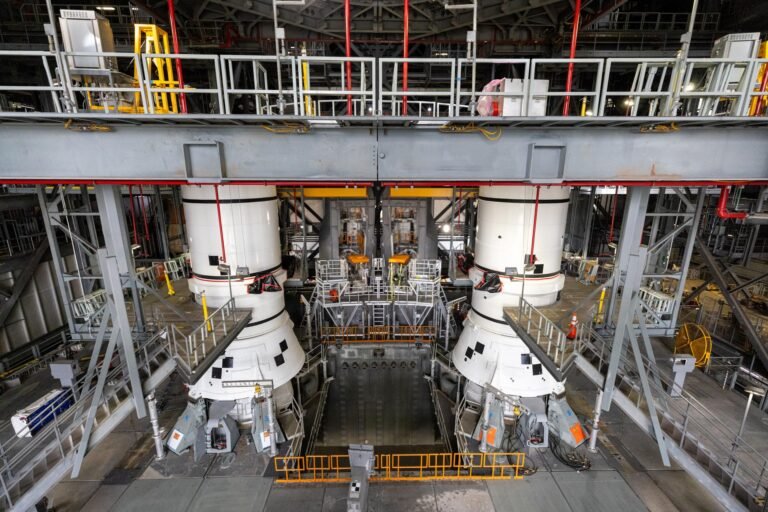
What is laser communications?
Laser communications, or optical communications, use beams of infrared light to transmit data. Unlike traditional radio frequency systems, which can be slower and less efficient, laser systems can send much larger amounts of data at once. This capability is essential for missions like Artemis III, where high-definition video and data need to be relayed back to Earth in real-time. NASA previously tested this technology during the Artemis II mission, successfully sending various data types—including videos and voice communications—over laser signals. This not only enhances the quality of data but also allows for more robust communications during missions.
Here are 3 ways laser communications benefit Artemis III
1. Higher Data Rates: Laser communications can transmit significantly more data than traditional radio systems, which is crucial for delivering high-quality video and images back to Earth.
2. Real-time Imagery: With the integration of SpaceX's technology, viewers will be able to witness the astronauts' activities live, creating a more immersive experience for those of us following along from home.
3. Enhanced Reliability: Laser communications can be more reliable in certain conditions, providing a stable link even when the spacecraft is far from Earth.
How does Artemis III compare in scale?
The Artemis III mission will take place about 238,855 miles away from Earth—the distance between our planet and the Moon. To give you a sense of scale, that’s roughly the same as traveling around the Earth nearly 10 times! This mission will not only test new technologies but also serve as a stepping stone for future missions to Mars and beyond. As we prepare for Artemis III, we are not just looking at our nearest celestial neighbor; we are also laying the groundwork for humanity's long-term presence in space.