Auroras are stunning natural light displays that occur in the polar regions, also known as the northern lights (aurora borealis) and southern lights (aurora australis). These colorful phenomena result from a mesmerizing interaction between charged particles from the Sun and Earth's magnetic field. When these energetic particles collide with the gases in our atmosphere, they create the radiant glow we associate with auroras. The variety of colors seen in these displays depends on factors like altitude and the type of gas involved in the collisions, making each aurora unique and breathtaking.
The Origins of the Name 'Aurora'
The term 'aurora' comes from the Latin word for 'dawn,' which echoes the beauty and ethereal quality of these light shows. The name is also linked to the Roman goddess of dawn, highlighting the long-standing fascination humanity has had with these celestial events. Historically, people living far from the Arctic Circle would sometimes witness faint red glows on the northern horizon, reminiscent of the early morning light at dawn. This connection gives aurora borealis its name, translating to 'northern dawn.'
Cultural Significance and Observations
For thousands of years, diverse cultures around the world have observed and recorded auroras. In Alaska, for example, the Iñupiat people refer to them as kiuġuyat or kiuġiyaq, showcasing how these phenomena are intertwined with their cultural narratives. Ongoing projects, such as the Cultural Connections initiative by the University of Alaska Fairbanks, aim to deepen our understanding of the perspectives and meanings associated with auroras in various cultures. This rich tapestry of human experience highlights how auroras are not just scientific phenomena but also significant cultural symbols.
Auroras Beyond Earth: A Cosmic Spectacle
Interestingly, auroras are not exclusive to Earth. Other planets and moons with atmospheres, such as Jupiter and Saturn, also experience these colorful light displays. The mechanisms behind auroras can vary significantly across celestial bodies, depending on their magnetic fields and atmospheric conditions. For instance, auroras on Jupiter are influenced by its strong magnetic field and intense radiation environment, leading to spectacular displays. Understanding these cosmic auroras expands our knowledge of planetary atmospheres and magnetic interactions throughout the solar system.
The Science Behind the Colors
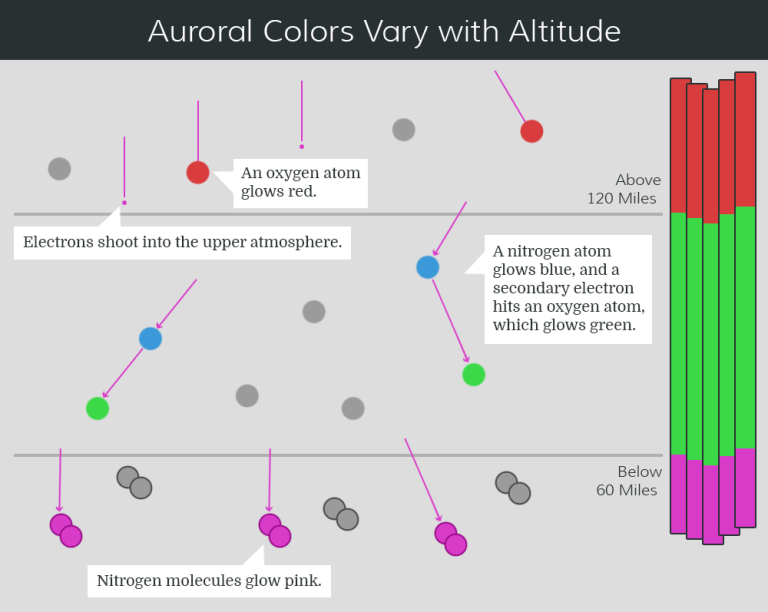
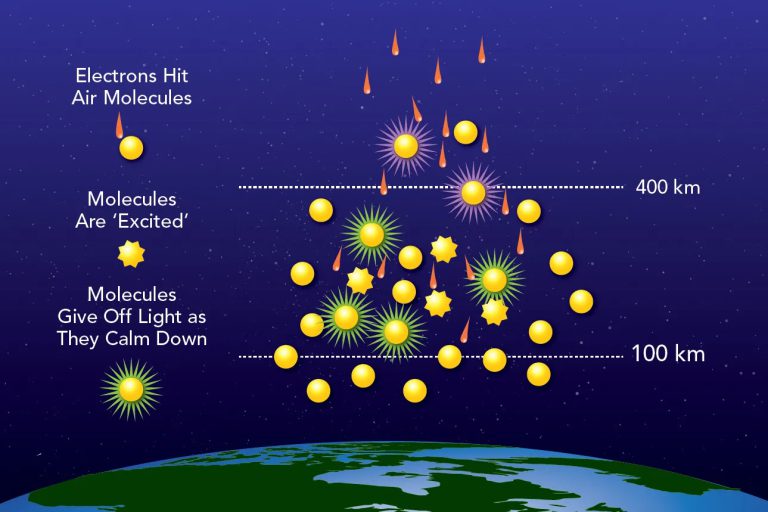
The vibrant colors of auroras arise from the interactions between energetic particles and atmospheric gases. The most common hue, green, is produced when excited oxygen molecules at altitudes around 60 miles (100 kilometers) release energy. Higher up, at altitudes above 120 miles (200 kilometers), oxygen can emit a beautiful red glow. Nitrogen, on the other hand, contributes blue and purple shades depending on its energy state and altitude. The interplay of these gases, along with the particles' energy levels, creates the stunning palette of colors that dance across the night sky during auroral displays.