
Blue Origin has set its sights on launching the New Glenn rocket once again before the close of 2026, following a significant setback caused by an explosion during a static hot fire test. CEO Dave Limp expressed confidence in this ambitious goal, despite the challenges presented by the recent disaster. The incident, which occurred at Cape Canaveral Space Force Station, resulted in the destruction of the rocket and extensive damage to the launchpad, a situation that would typically lead to a lengthy recovery period.
The Aftermath of the Launchpad Explosion
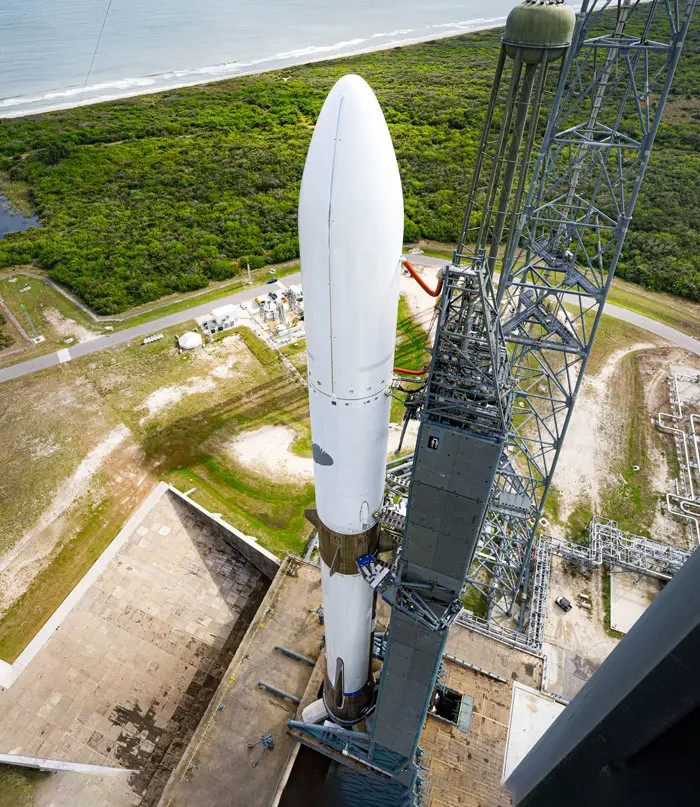
The explosion sent a fireball into the sky, visible from over a hundred miles away, and left a trail of destruction across Launch Complex-36. While Blue Origin has not yet completed its investigation into the cause of the explosion, Limp has provided insights into the state of the damaged facilities. Remarkably, the key systems that supply propellant, including the oxygen and liquid hydrogen tanks, have survived the blast relatively unscathed, a fortunate turn of events for the company's future operations.
Damage Assessment and Recovery Plans
In addition to the functional propellant systems, the water tower at the site is also intact. However, not all structures escaped the disaster. The large coordination tower, which is essential for launch operations, suffered significant damage but can be repaired rather than replaced. Conversely, the transporter-erector—a vital piece of equipment used to position the New Glenn rocket for launch—was completely destroyed. Limp indicated that rather than rebuilding this structure, the company will implement an alternative operational concept that has been in development for some time.
Ambitious Timeline Compared to Industry Standards
Setting a goal to return New Glenn to the skies by the end of 2026 is an ambitious target, especially when compared to similar situations in the industry. For instance, SpaceX faced its own challenges when launching its Starship rocket, experiencing significant delays after damage to its launchpad during a test. Blue Origin’s timeline is notably shorter than the recovery periods seen after previous launch failures at other facilities, such as SpaceX's Falcon 9 incident in 2016 and the Antares rocket failure in 2014. These examples highlight the risks Blue Origin faces as it seeks to regain its footing.
Impact on NASA's Artemis Program
LC-36 serves as Blue Origin's sole launchpad, meaning that any delays in its operation will directly affect the company's ability to demonstrate New Glenn's reliability to its clients. Notably, Blue Origin has a contract with Amazon to launch numerous satellites for low Earth orbit internet services, and NASA is counting on New Glenn for crucial missions related to the Artemis program. This includes the Blue Moon lunar lander, which is vital for NASA's ambitious plans to return astronauts to the Moon.