
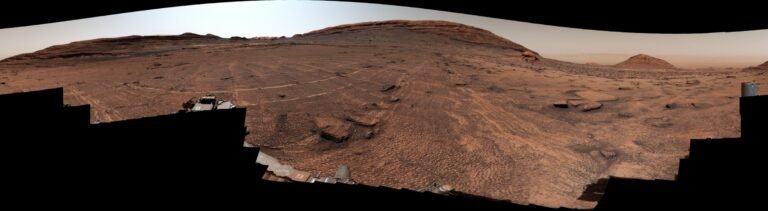
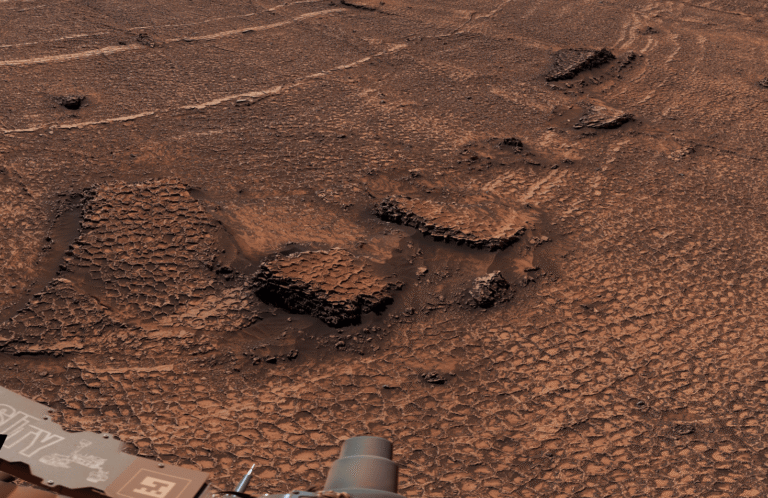
NASA's Curiosity rover has recently captured breathtaking images of a vast field of polygonal fractures in a Martian valley known as Valle Grande. These honeycomb-like textures, measuring about 1.5 to 3 inches across, have been spotted before but never at such an extensive scale. The discovery has left mission scientists excited as they delve into the implications of these unique geological features. With this finding, Curiosity continues to shed light on the complexities of Mars' surface.
Understanding the Discovery
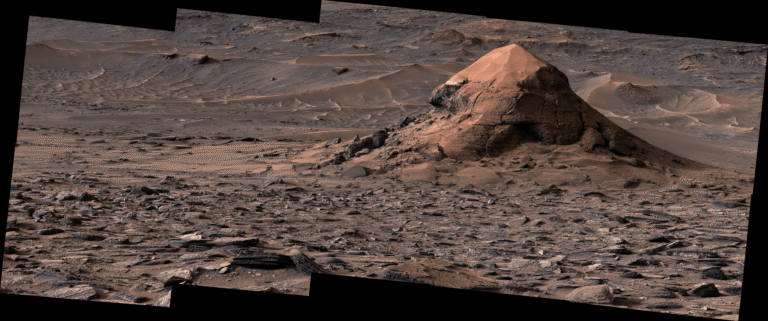
The Curiosity rover captured these stunning images during its 4,930th and 4,931st Martian days, or sols. The polygonal shapes stretch out in a full 360-degree panorama, wrapping around the nearby butte named Miraflores. Project scientist Ashwin Vasavada expressed the team's astonishment, stating, 'We’ve seen a lot of fascinating landscapes through Curiosity’s eyes, but this sea of polygons took our breath away.' This discovery prompts scientists to investigate the formation processes behind these textures.
Exploring Geological Processes
Previous observations of polygonal features indicated they might have formed as mud cracks. However, the newly discovered patterns could have resulted from various geological processes. These include temperature fluctuations and the compression of sediments that pushed water out when the surface was buried. Such insights help scientists understand the environmental conditions of ancient Mars.
What This Means for Mars Exploration
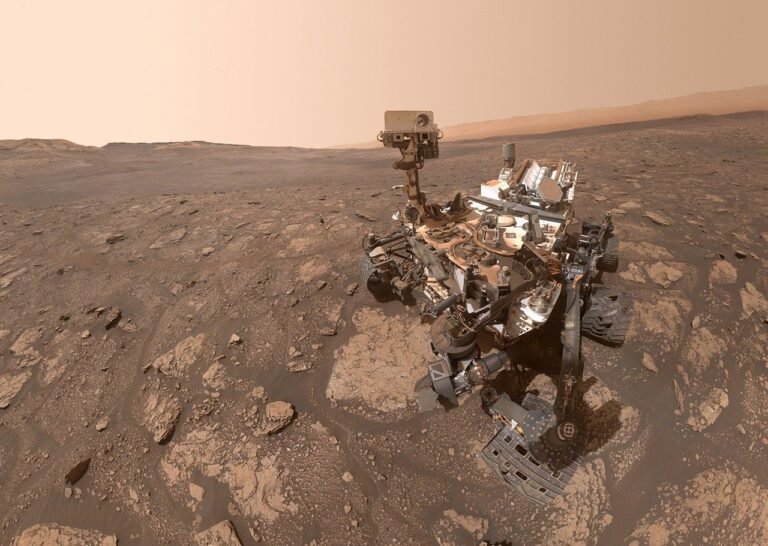
This discovery adds to Curiosity's impressive 14-year history of uncovering Martian secrets since its landing on August 5, 2012. The rover has previously found evidence of ancient lakes and streams, revealing that Mars once had the essential components for supporting life. Although the exact origins of organic molecules found by Curiosity remain unclear, their presence reinforces the idea that the ancient Martian environment could have been conducive to life.
The Road Ahead for Curiosity
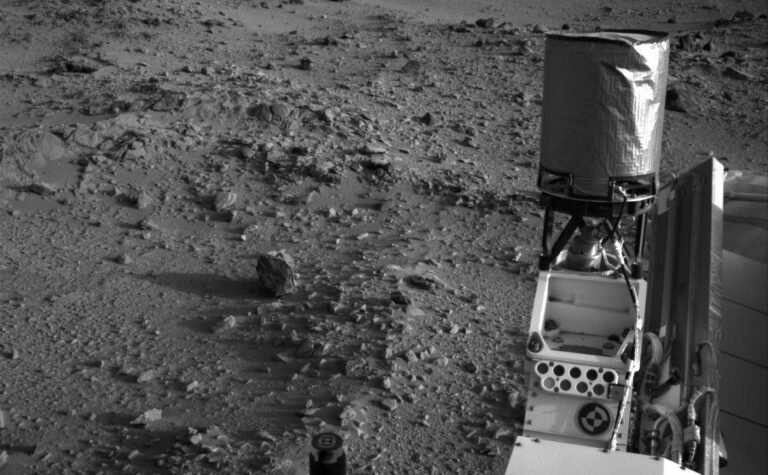
Curiosity's mission continues as scientists analyze the data from this latest discovery. They hope to uncover more about the geological history of Mars and how these features developed over time. The rover's journey has already revealed a wealth of information about the planet's past, and each new finding only deepens the intrigue surrounding Mars. As scientists sift through the data, they aim to answer questions about the ancient environment and its potential to host life.