
NASA is taking a systematic approach to human exploration in outer space, often described as a steppingstone strategy. This method builds on over 60 years of exploration experience and more than two decades of uninterrupted human presence aboard the International Space Station (ISS) in low Earth orbit. With this solid foundation, NASA aims to extend humanity's reach further into the cosmos than ever before. The ISS has been pivotal in conducting complex operations, performing groundbreaking research in microgravity, and fostering international collaborations, all while contributing to the burgeoning space economy.
The International Space Station: A Launchpad for Future Missions
Since its first crew arrived in November 2000, the ISS has been continuously occupied, serving as a vital platform for scientific research and technology development. It is approximately 1,000 times closer to Earth than the Moon, making it an ideal testing ground for future missions. The knowledge gained from nearly 20 years of human habitation on the ISS will inform the design of life support systems for Mars, allowing for a significant reduction in mass—up to 36%—for these essential technologies.
International Collaboration in Space Exploration
The ISS is a remarkable example of international cooperation, involving five space agencies from 15 countries. This collaborative effort not only enhances our understanding of space but also strengthens partnerships among nations. As we look to the future, NASA's missions will continue to leverage this international spirit, particularly through the Artemis program, which aims to establish a sustainable human presence on the Moon.
Artemis Missions: Paving the Way to the Moon
The Artemis missions signify a new era of lunar exploration, where astronauts will venture further across the Moon's surface than ever before. These missions are designed not just for exploration, but also to gather insights into the origins of our solar system. By collaborating with commercial and international partners, NASA aims to test innovative technologies on the Moon that will ultimately prepare us for human missions to Mars.

Preparing for Mars: The Next Giant Leap
Engineers and scientists across the United States are hard at work developing the technologies that will enable astronauts to live and work on Mars. This preparation involves addressing numerous challenges, such as utilizing local resources, managing waste disposal, and ensuring safe return journeys. The knowledge gained from the ISS is crucial in overcoming these hurdles, ensuring that future missions are both successful and sustainable.
Commercial Low Earth Orbit Development
NASA's Commercial Low Earth Orbit Development Program is fostering the growth of private space ventures. This initiative supports the creation of commercially operated destinations in low Earth orbit, allowing NASA and other customers to purchase services. By stimulating commercial activities close to Earth, NASA is paving the way for a vibrant space economy that can support future exploration endeavors.
The Moon to Mars Architecture
NASA's Moon to Mars architecture outlines the essential hardware and operations required for human missions to both the Moon and Mars. This framework is not merely a mission plan; it defines the various components—rockets, spacecraft, rovers, spacesuits, and communication systems—that will be developed incrementally. Each element plays a critical role in enabling long-term scientific discovery in deep space.
Incremental Development for Long-Term Success
The Moon to Mars architecture emphasizes a systematic approach to development. By incrementally delivering the necessary elements for exploration, NASA ensures that each component is rigorously tested and refined. This careful planning is vital for the success of human-led missions, allowing astronauts to conduct meaningful scientific research while ensuring their safety and well-being in the harsh environment of space.
Scientific Discovery on Mars
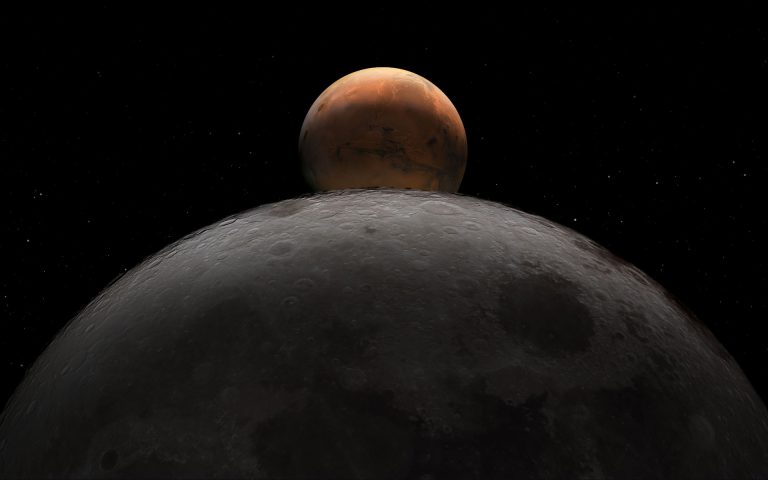
Mars stands as a compelling destination for scientific discovery, offering insights into the history of our solar system. The exploration of Mars not only aims to uncover its mysteries but also drives the development of new technologies that will benefit humanity. As we prepare to send humans to Mars, the lessons learned from both the ISS and lunar missions will be invaluable.
Conclusion: A Bright Future in Space Exploration
NASA's ambitious plans for human exploration are set to redefine our understanding of space and our place within it. With a focus on the Moon and Mars, the agency is laying the groundwork for a future where humans can thrive beyond Earth. As we embark on this journey, the excitement of discovery and the spirit of collaboration will guide us toward new frontiers in the cosmos.