
The quest to explore the universe is as diverse and compelling as our desire to venture into the forests, mountains, or oceans. Throughout history, humans have sought to understand their surroundings, uncover new resources, and enhance their quality of life. This age-old curiosity drives us to look beyond our planet and seek answers to some of life's biggest questions.
NASA's Mission for Humanity
At NASA, the exploration of space is not just about discovery; it's about benefiting all of humanity. The agency aims to unlock the universe's secrets while creating opportunities that inspire people worldwide. By addressing fundamental questions like 'Why are we here?' and 'Are we alone in the universe?', NASA seeks to enhance our understanding of existence and improve our lives on Earth.
A Legacy of Exploration
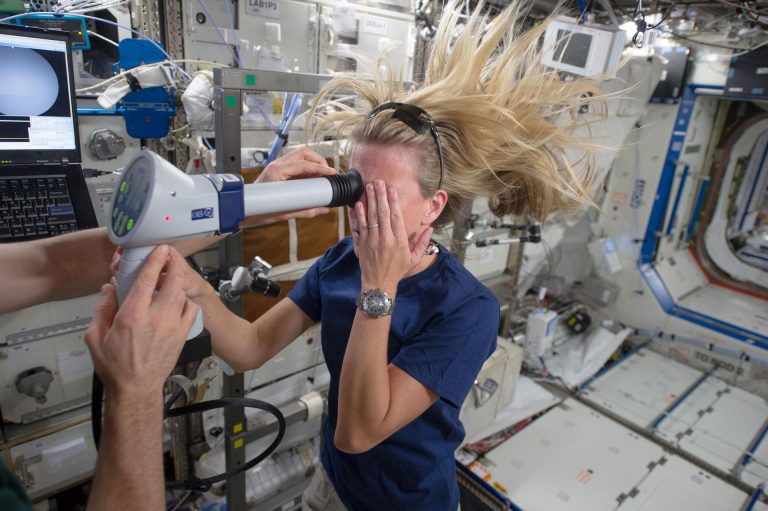
Founded over fifty years ago, NASA was established to tackle these profound questions. Since its inception, space exploration has emerged as a powerful, borderless endeavor that unites people across the globe. Today, the International Space Station (ISS) is a shining example of international collaboration, involving five space agencies from 15 countries working together in harmony.
The Artemis Accords
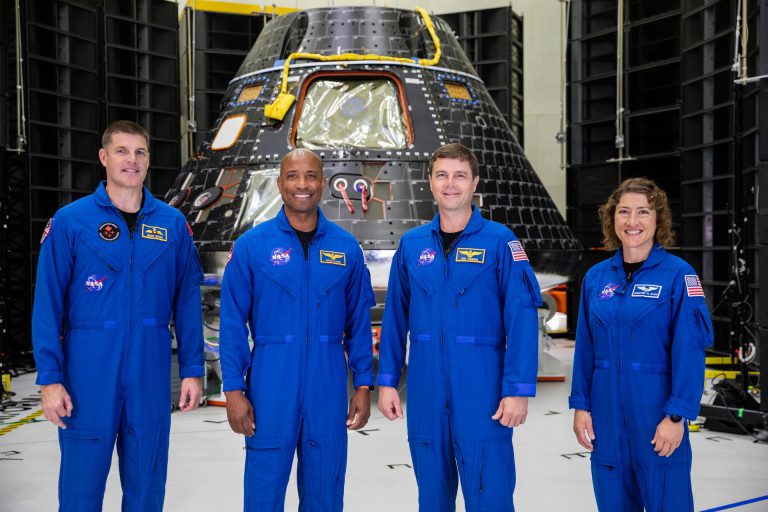
In addition to the ISS, NASA's Artemis program has garnered support from two dozen countries through the Artemis Accords. This agreement emphasizes shared values for sustainable exploration and research on the Moon, paving the way for future missions and collaborations in space. Such partnerships highlight the collective human spirit and our shared goals in the quest for knowledge.
A New Perspective on Earth
Exploring space provides us with a unique perspective on our own planet and the solar system. By studying celestial bodies and their interactions, we gain insights that can help us better understand Earth’s climate, geology, and ecosystems. This knowledge is crucial for addressing pressing global challenges, such as climate change and resource management.
Technological Advancements
The technologies developed for human spaceflight have far-reaching applications on Earth. From advancements in materials science to improvements in telecommunications, the innovations born from space missions contribute significantly to our daily lives. These technologies not only boost the economy but also create new career opportunities in various fields.
Inspiring Future Generations
NASA's commitment to exploration serves as a source of inspiration for the next generation of thinkers, creators, and innovators. By showcasing the wonders of space, the agency encourages young minds to pursue careers in science, technology, engineering, and mathematics (STEM). This inspiration is vital for fostering a future workforce capable of tackling the challenges of tomorrow.
The Drive for Discovery
The relentless pursuit of discovery propels NASA to design missions that expand our understanding of Earth, the solar system, and the universe at large. Each mission uncovers new information, from the mechanics of hurricane formation to the potential resources available on the Moon. This quest for knowledge is both practical and profound, addressing immediate concerns while exploring the mysteries of existence.
Understanding Our Universe
NASA's scientific endeavors answer a wide range of questions that impact our daily lives. Whether it's unraveling the complexities of weather patterns or investigating the origins of the universe, the agency's research plays a crucial role in our understanding of the world. This knowledge not only satisfies our curiosity but also equips us to make informed decisions about our future.
The Importance of Collaboration
Space exploration is a collaborative effort that transcends borders, bringing together nations in a shared mission for knowledge. By working together, countries can pool resources, share expertise, and tackle challenges that no single nation can face alone. This spirit of cooperation is essential for advancing our understanding of the universe and ensuring the sustainability of our efforts.