
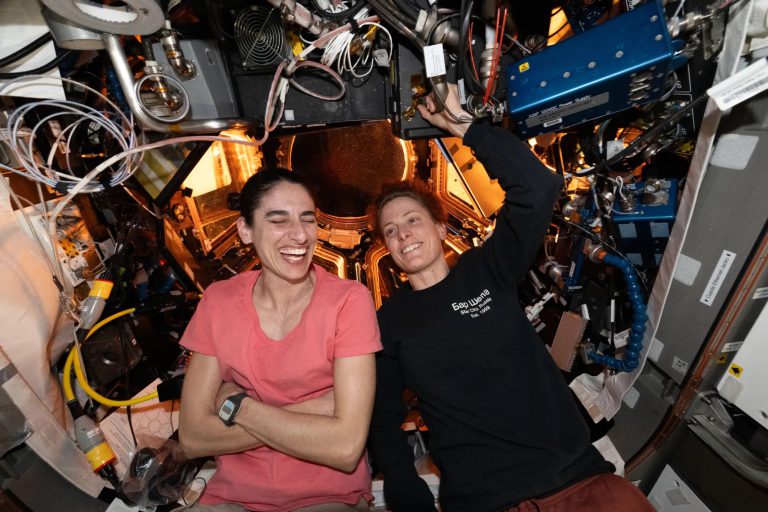
For over 20 years, astronauts have continuously lived and worked aboard the International Space Station (ISS), a remarkable feat of human ingenuity and collaboration. This unique orbiting laboratory serves as a platform for scientific research and technology demonstrations, providing invaluable insights into how humans can thrive in space. As we venture deeper into the cosmos, understanding life in space becomes increasingly crucial.
The Impact of Spaceflight on the Human Body
Spaceflight presents various challenges for the human body, affecting everything from bones and muscles to vision and overall health. In microgravity, astronauts experience muscle atrophy and bone density loss, which can lead to significant health concerns during prolonged missions. To combat these effects, NASA has developed exercise regimens and nutritional plans that ensure astronauts remain fit and healthy while living in space.
A Team of Experts Ensuring Astronauts' Wellbeing
NASA's team dedicated to astronaut health includes medical doctors, psychologists, nutritionists, and exercise specialists, all working together to monitor and maintain astronauts’ well-being. These experts develop strategies that address the unique challenges of living in microgravity, ensuring that astronauts can focus on their missions while still taking care of their physical and mental health.
Enjoying Coffee in Space
Even in space, astronauts find ways to enjoy the little things, including their daily coffee. Whether sipping from specially designed cups or using drink bags, coffee aboard the ISS has become a small comfort in the vastness of space. This simple pleasure helps create a sense of normalcy for astronauts as they navigate their extraordinary environment.
Space Hygiene: Keeping Clean Aboard the ISS
Personal hygiene in space is another essential aspect of life aboard the ISS. NASA astronauts must adapt their routines to the unique conditions of microgravity. For instance, washing hair and taking showers are quite different than on Earth. Astronauts learn to manage their personal care in a way that ensures cleanliness while conserving water and resources.
Conducting Science for Earth and Beyond
Astronauts aboard the ISS spend much of their time conducting scientific experiments that can benefit life on Earth. These experiments range from studying the effects of microgravity on biological processes to testing new technology that could be vital for future missions to the Moon and Mars. This research not only aids our understanding of space but also has practical applications for everyday life on our home planet.
Preparing for Future Exploration
As humanity looks toward future exploration missions to the Moon and Mars, understanding how to sustain life in space becomes critical. NASA is working on innovative solutions, such as developing plant processing areas, which aim to enable astronauts to grow their own food while on long-duration missions. This research is paving the way for sustainable living beyond Earth.
Voting from Space
Interestingly, astronauts aboard the ISS can still participate in democratic processes back home. Through absentee ballots and early voting arrangements, they ensure their voices are heard, even while orbiting Earth. This commitment to civic duty highlights the connection between astronauts and the communities they represent on Earth.
Celebrating the Holidays in Orbit
Living in space doesn't mean astronauts miss out on festive celebrations. They find unique ways to celebrate holidays aboard the ISS, bringing a touch of Earth’s traditions into their extraordinary environment. These celebrations foster camaraderie among the crew and provide a sense of home, even while thousands of miles away.
Touring the International Space Station
NASA astronaut Suni Williams has given tours of the ISS, showcasing the crew’s living quarters and hygiene stations. These tours reveal how astronauts adapt their lifestyles and work in limited space while maintaining a sense of order and efficiency. The layout of the ISS is designed to maximize functionality in a microgravity environment.