
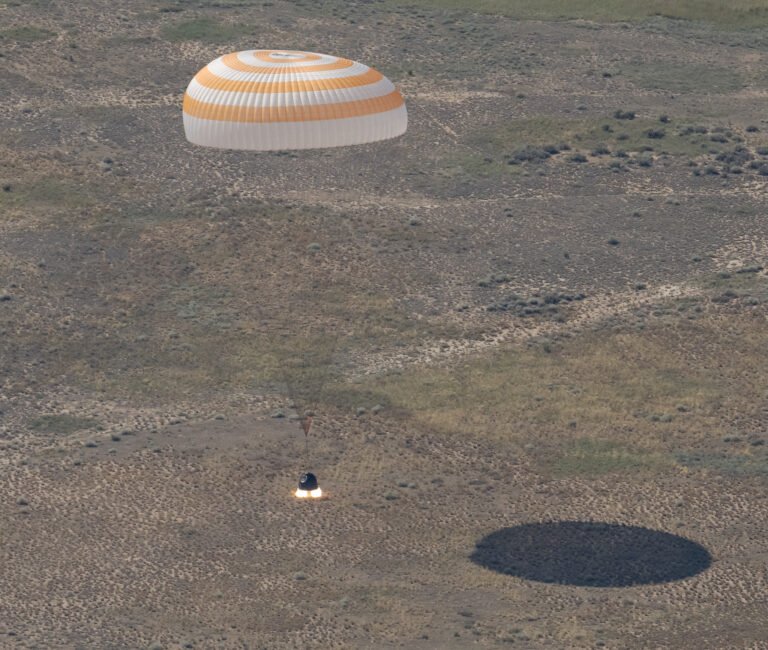
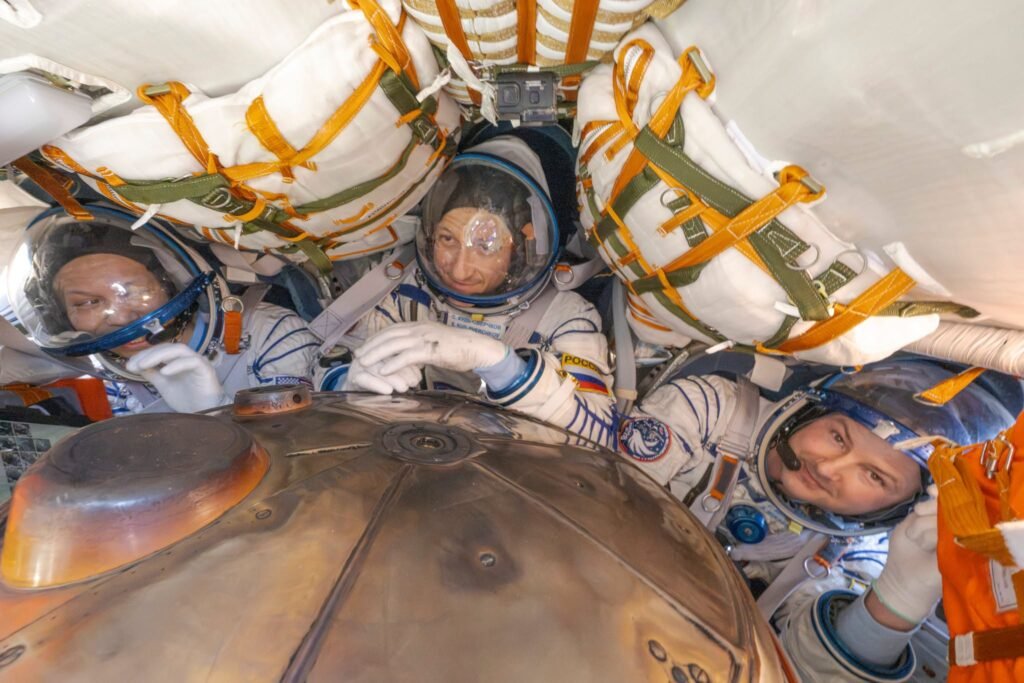
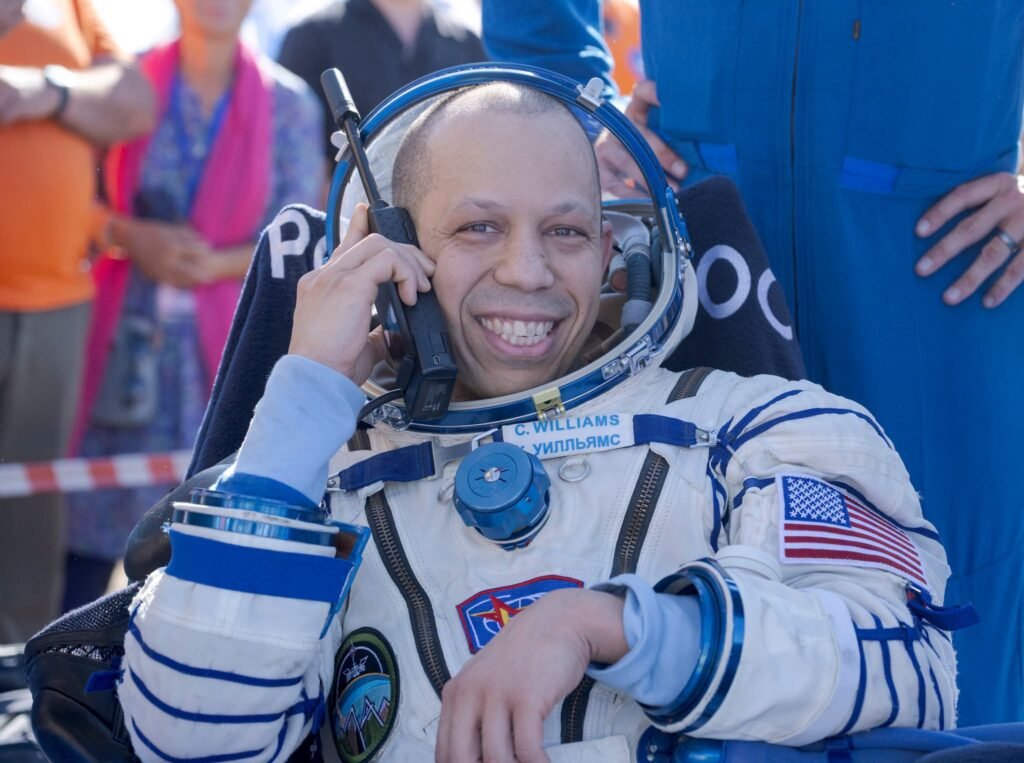
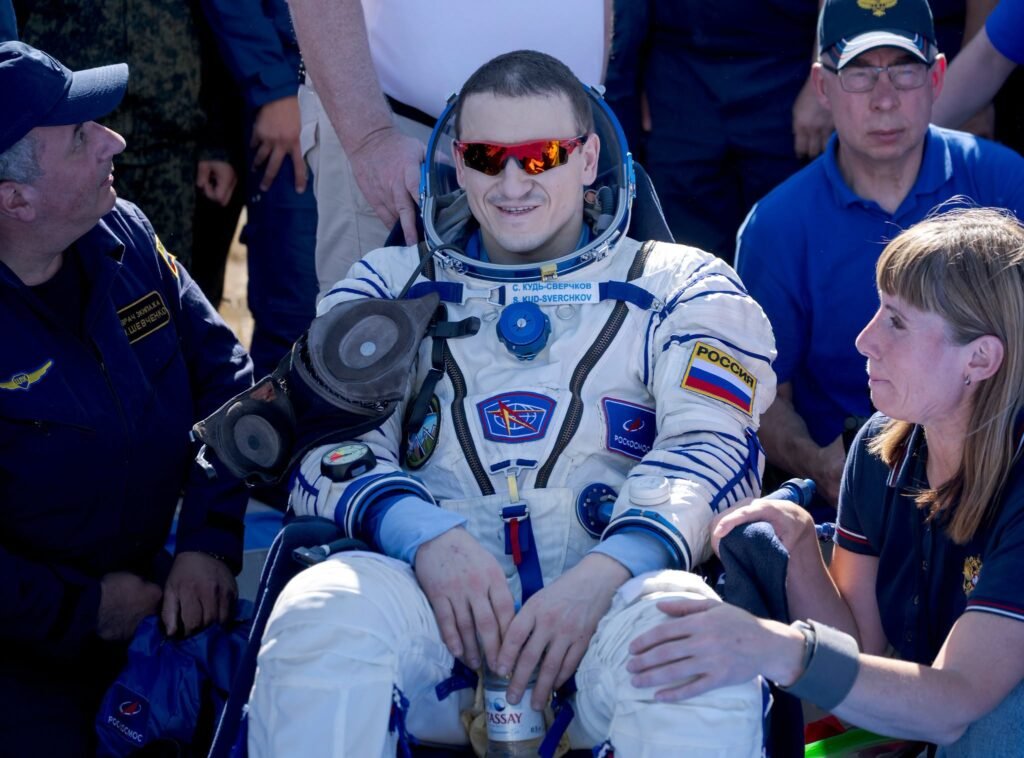
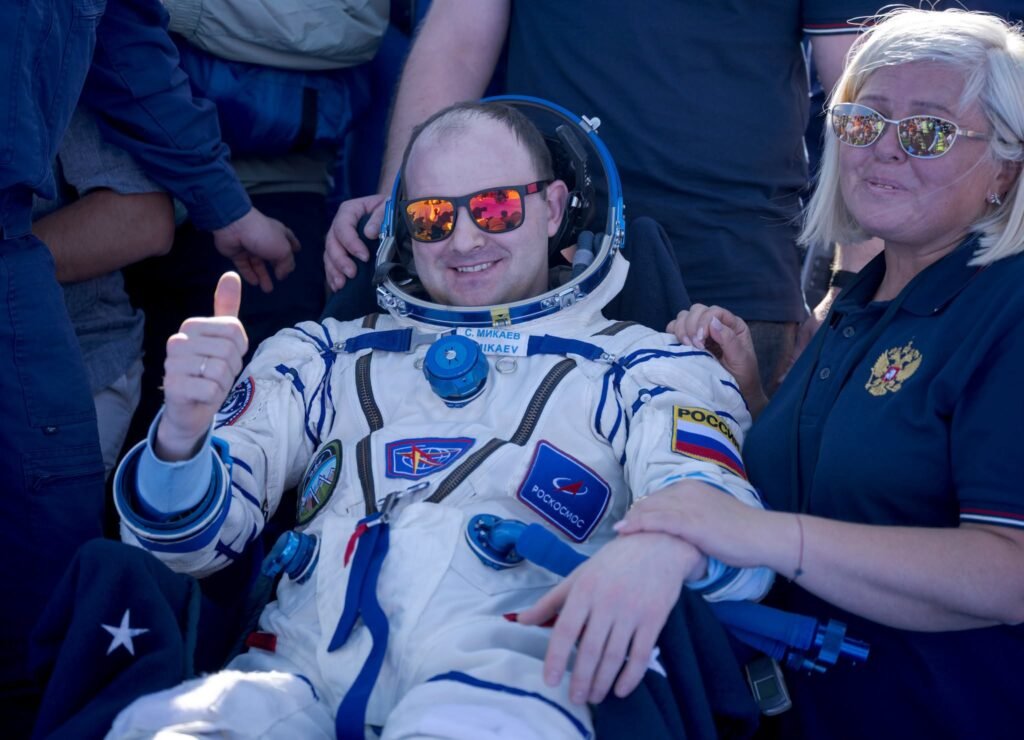
NASA astronaut Chris Williams, along with his crewmates Sergey Kud-Sverchkov and Sergei Mikaev, safely returned to Earth on Sunday after a remarkable eight-month journey aboard the International Space Station (ISS). Their Soyuz MS-28 spacecraft made a parachute-assisted landing southeast of Dzhezkazgan, Kazakhstan, at 5:27 a.m. CDT (3:27 p.m. local time). This mission not only marked the first spaceflight for both Williams and Mikaev but was also a significant milestone for Kud-Sverchkov, who has now embarked on his second journey to the stars.
What was accomplished in space?
During their 241 days in orbit, the crew completed a staggering 3,856 orbits around Earth, traveling over 102 million miles. Williams played a key role in a variety of scientific investigations and technology demonstrations that could have long-lasting implications for both space travel and life on Earth. One notable area of focus was research aimed at developing new treatments for cancer, a mission that resonates deeply given the challenges posed by the disease on our planet. Furthermore, Williams was involved in manufacturing techniques for materials that could enhance the performance of high-tech electronics. These advancements are not just theoretical; they have the potential to change how we approach technology in space and on Earth.
How did they prepare for their return?
Prior to their departure from the ISS, Williams and his team prepared meticulously, ensuring all equipment was secured and all necessary checks were completed. They left the station at 2:03 a.m. CDT, marking the end of their productive mission. Post-landing, the crew underwent medical evaluations to ensure their health after months in microgravity. Following these checks, they were flown by helicopter to Karaganda, where recovery teams awaited their arrival. This transition from space to Earth isn’t just a logistical feat; it’s a critical process for ensuring the well-being of astronauts returning from extended missions.
Why does this mission matter?
For over 25 years, the ISS has served as a remarkable platform for scientific research, facilitating continuous human presence in low Earth orbit. The knowledge gained from missions like Williams' contributes to our understanding of human spaceflight challenges and paves the way for future exploration missions to the Moon and Mars. This is especially relevant as NASA's Artemis program aims to return humans to the lunar surface and eventually establish a sustainable presence there. Each mission builds on the last, creating a foundation not only for space exploration but also for advancements that can improve life back on Earth. The work done aboard the ISS signifies a collective step toward a future where humans can thrive beyond our planet.