
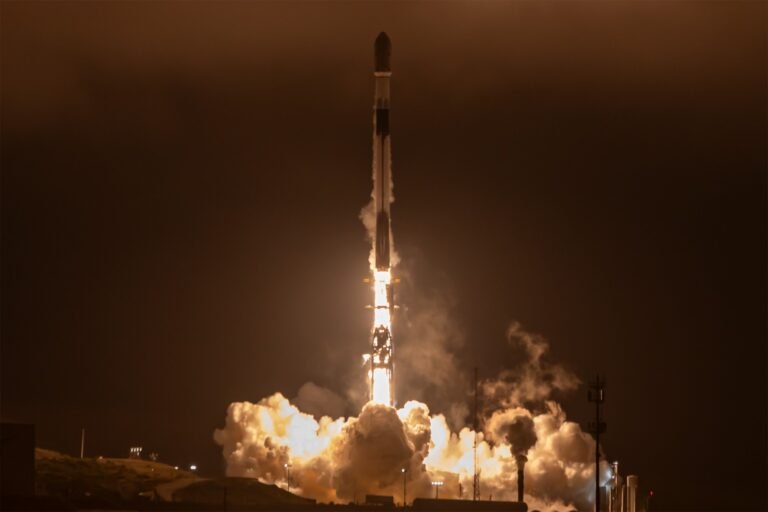
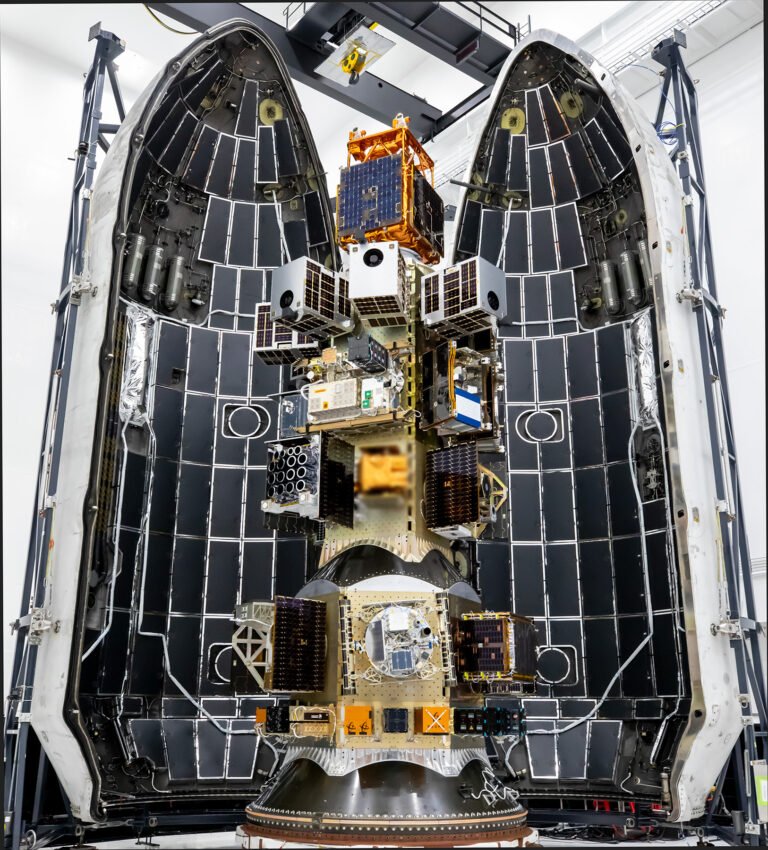
NASA has successfully launched its R5-S9 CubeSat, a pioneering spacecraft designed to accelerate technology testing in orbit. Liftoff occurred at 12:12 a.m. PDT on July 7, aboard a SpaceX Falcon 9 rocket from Vandenberg Space Force Base in California. This launch is part of the Transporter-17 mission, which showcases the growing trend of rideshare launches, allowing multiple small satellites to share space on a single rocket.
Innovative Design and Cost-Effective Solutions
The R5-S9 is part of NASA's R5 series of CubeSats, which are redefining how spacecraft are built and operated. Unlike traditional missions that often depend on custom-made hardware, the R5 project utilizes commercially available components wherever possible. This strategy not only streamlines the development process but also significantly reduces costs. Each CubeSat in the R5 series learns from its predecessors, gradually enhancing performance while adhering to a tight budget and timeline.
Testing Cutting-Edge Technologies in Space
The R5-S9 CubeSat is equipped with several technology prototypes aimed at advancing our understanding of both Earth and space phenomena. In collaboration with Sandia National Laboratories, the mission seeks to demonstrate innovative technology that utilizes edge computing for autonomous observations. This capability could revolutionize how we monitor and analyze data from space, making it possible to react to changes in real-time.
Collaboration and Knowledge Sharing
The rapid development of the R5-S9 took about four months from initial design to launch, an impressive feat that reflects the refined processes of the R5 team. The project emphasizes the importance of selecting and screening commercial components suitable for the harsh space environment. The insights gained from this mission will be shared with the broader community of small satellite developers, fostering collaboration and learning from the challenges faced during the process.
NASA's Commitment to Affordable Access to Space
The R5-S9 CubeSat was launched as part of a task order under NASA's VADR (Venture-class Acquisition of Dedicated and Rideshare) contract, which aims to provide flexible, cost-effective solutions for launching small satellites. This initiative broadens access to space for innovative missions and capabilities, showcasing NASA's commitment to advancing science and technology through efficient and economical means.