
On August 12, a total solar eclipse will traverse across northern Russia, Greenland, Iceland, and northern Spain. A small section of Portugal lies within the path of totality, where viewers will have the chance to witness the complete obscuration of the Sun by the Moon. In the United States, observers from Alaska to North Carolina will see a partial eclipse, with varying degrees of coverage depending on their location. It's a spectacle that many will want to experience firsthand.
Mark Your Calendars for the Solar Eclipse
This August, stargazers are in for a treat. A total solar eclipse, the renowned Perseid meteor shower, and a deep partial lunar eclipse are set to captivate audiences around the globe. These celestial events represent a unique opportunity to connect with the cosmos and witness the beauty of our universe.
How to Safely Observe the Eclipse
Safety is paramount when viewing a solar eclipse. NASA emphasizes the importance of using certified eclipse glasses or a solar viewer whenever any part of the Sun is visible. Regular sunglasses simply won't provide adequate protection. Additionally, never use binoculars, telescopes, or cameras without a proper solar filter.
The Perseids Are Back
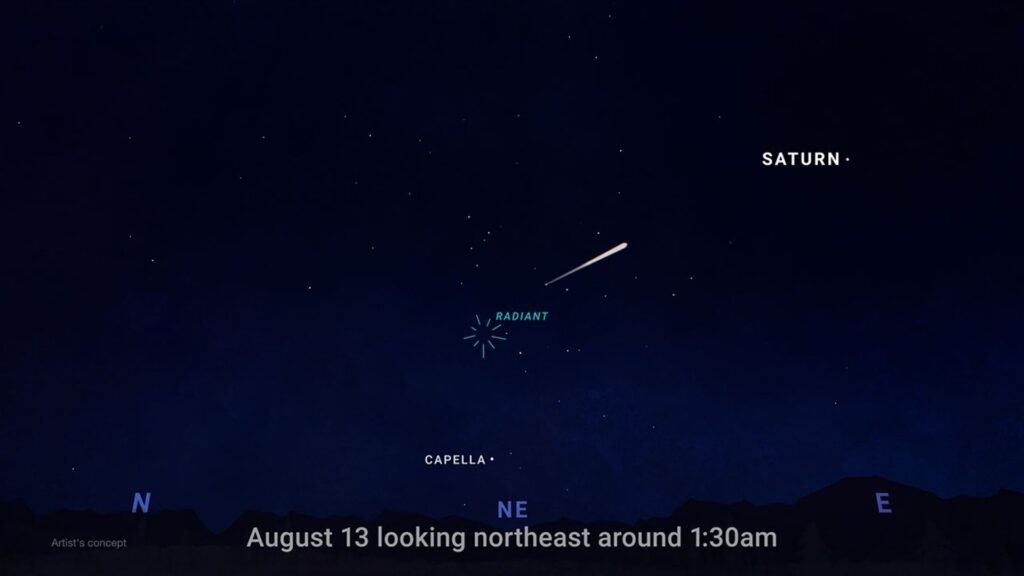
Later on the same night, the famous Perseid meteor shower will peak, lighting up the sky from the evening of August 12 into the early morning of August 13. With a New Moon on the 12th, conditions will be favorable for viewing, as the dark sky allows for better visibility of the meteors. The Perseids occur annually when Earth passes through the debris stream left by Comet Swift-Tuttle. As these tiny particles enter our atmosphere at high speeds, they burn up, creating bright streaks across the night sky.
Best Practices for Meteor Viewing
To make the most of the meteor shower, find a dark location away from city lights. Look towards the northeast after it gets dark, keeping an eye on the constellation Perseus, which is where the meteors appear to originate. However, be open to seeing meteors flash across any part of the sky. Experts suggest giving your eyes about 30 minutes to adjust to the darkness for optimal viewing.
Venus Shines Brightly
On August 14-16, Venus will reach its greatest eastern elongation, appearing at its brightest in the evening sky. Look low in the western sky shortly after sunset to catch sight of this dazzling planet, which will outshine every star in view. If you have a telescope, Venus will reveal a half-lit phase, reminiscent of a tiny moon.
A Deep Partial Lunar Eclipse to Conclude the Month
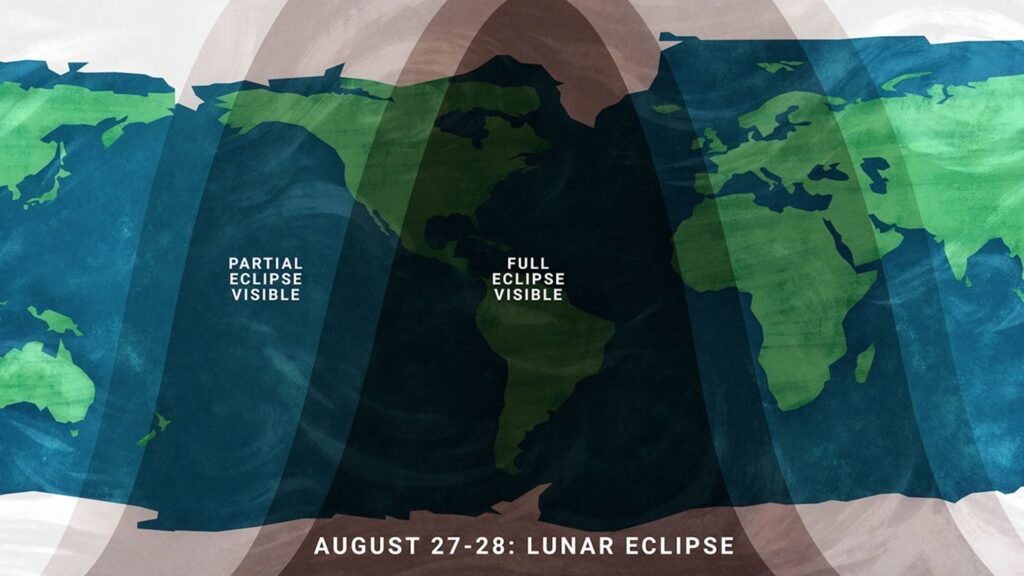
Wrapping up the month, a partial lunar eclipse will occur on the night of August 27, continuing into August 28 for some time zones. This event will be visible from much of North and South America, as well as parts of Europe and Africa. At maximum eclipse, about 93% of the Moon will be covered by Earth's shadow, creating a stunning visual effect that can give the Moon a rusty, coppery hue.
Observing the Lunar Eclipse
Unlike solar eclipses, lunar eclipses are safe to watch with the naked eye. You can also use binoculars or a small telescope to see Earth's shadow moving across the lunar surface. This event is a fantastic way to engage with the cycles of our celestial neighbors.
What to Expect from the Moon Phases
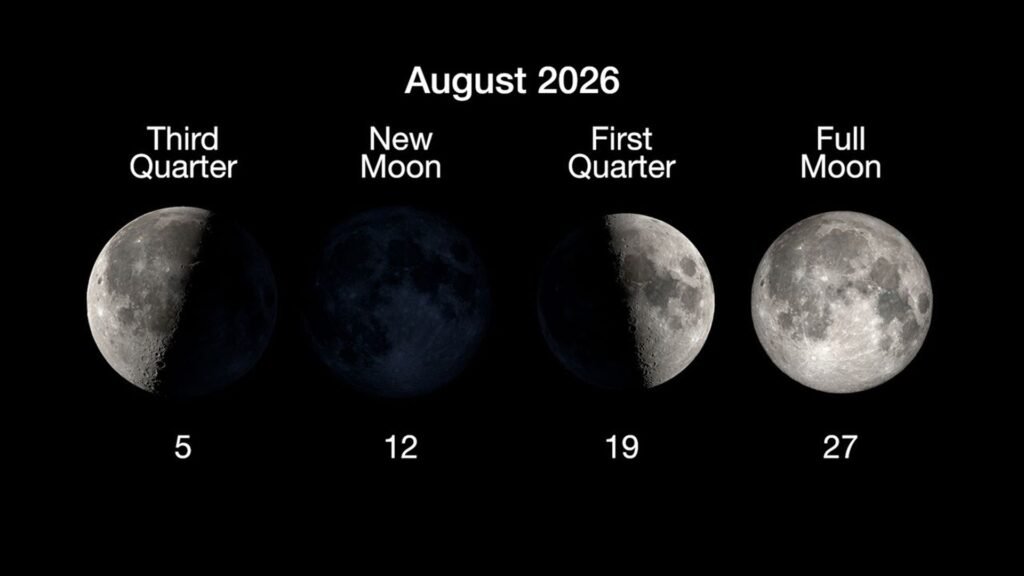
August brings significant phases of the Moon, including a New Moon on the 12th and a Full Moon on the 27th. This month’s lunar phases provide an excellent backdrop for both the solar and lunar eclipses, enhancing the overall experience for skywatchers.
Bottom line:
August 2026 is packed with skywatching highlights, from a total solar eclipse to the Perseid meteor shower and a partial lunar eclipse. These events not only offer a chance to witness extraordinary celestial phenomena but also provide opportunities for education and connection with the universe.