
The 2026 Total Solar Eclipse: A Stunning Moment When Day Turned to Twilight
August 13, 2026
The sky briefly changed on August 12, 2026, as one of nature’s most spectacular events unfolded above parts of the Northern Hemisphere. A total solar eclipse swept across Greenland, Iceland and Spain, giving millions of people the opportunity to watch the Moon completely cover the Sun.
For those standing inside the narrow path of totality, daylight faded into an eerie twilight, temperatures dropped and the bright daytime sky was transformed into a dark cosmic scene.
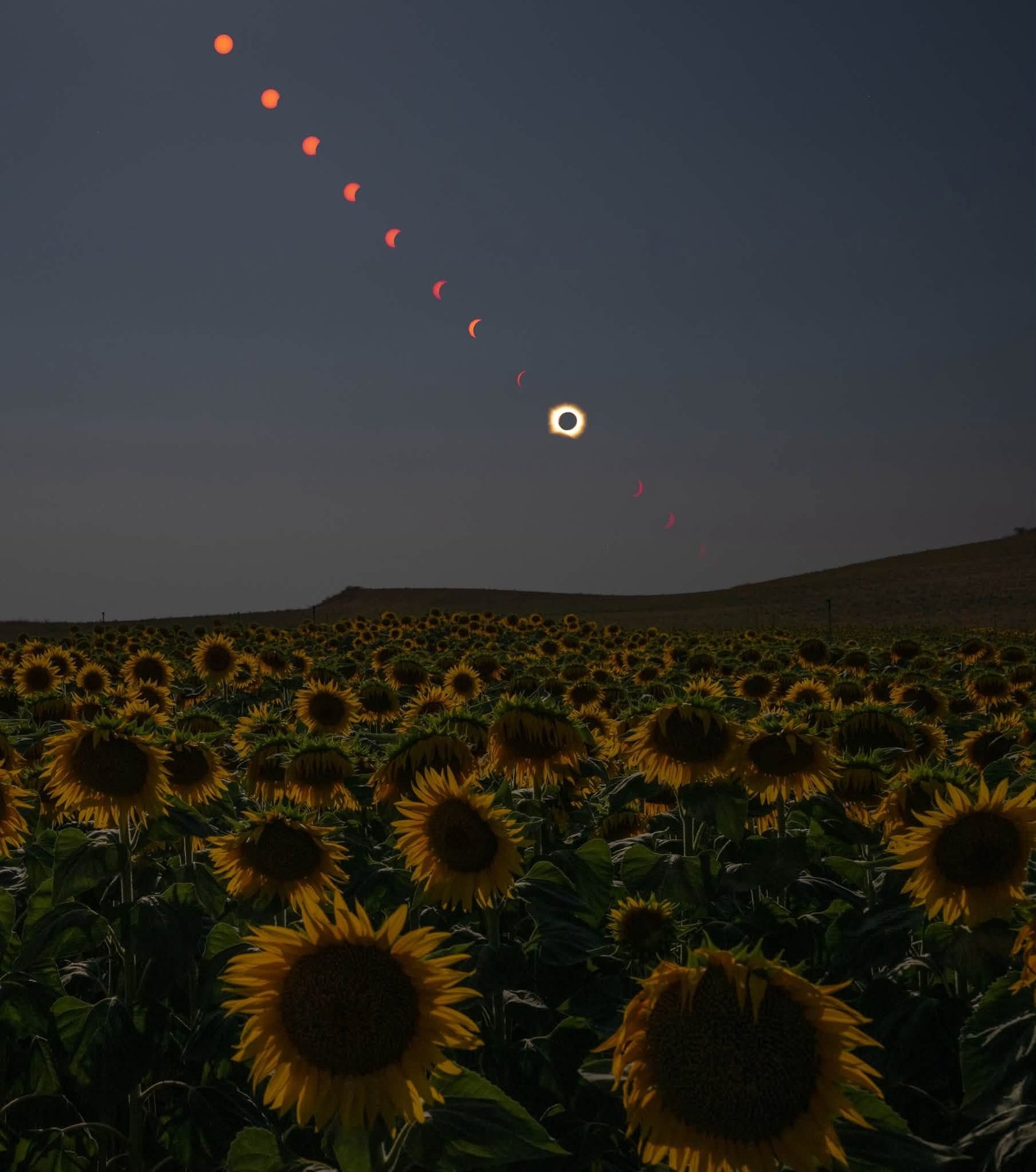
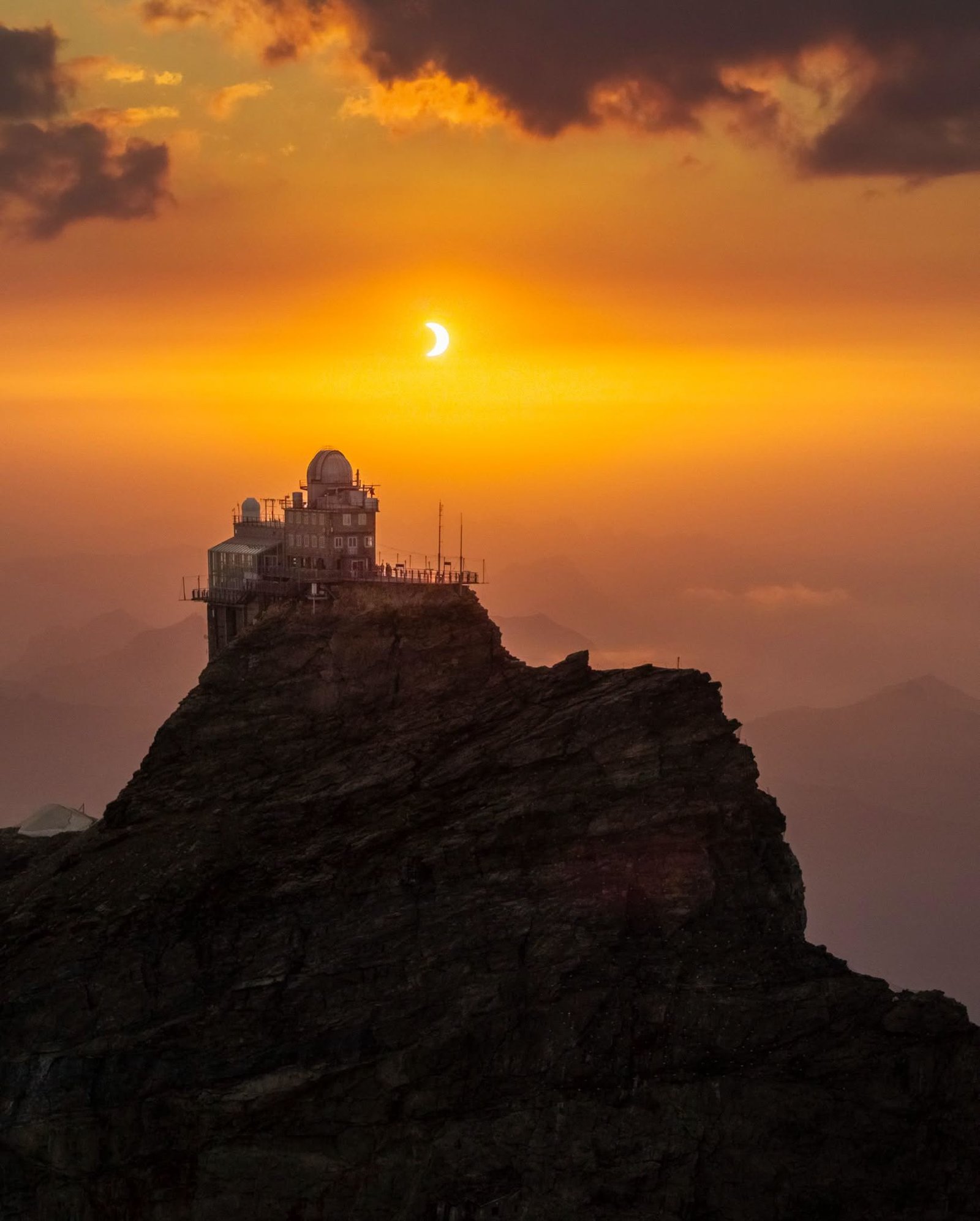
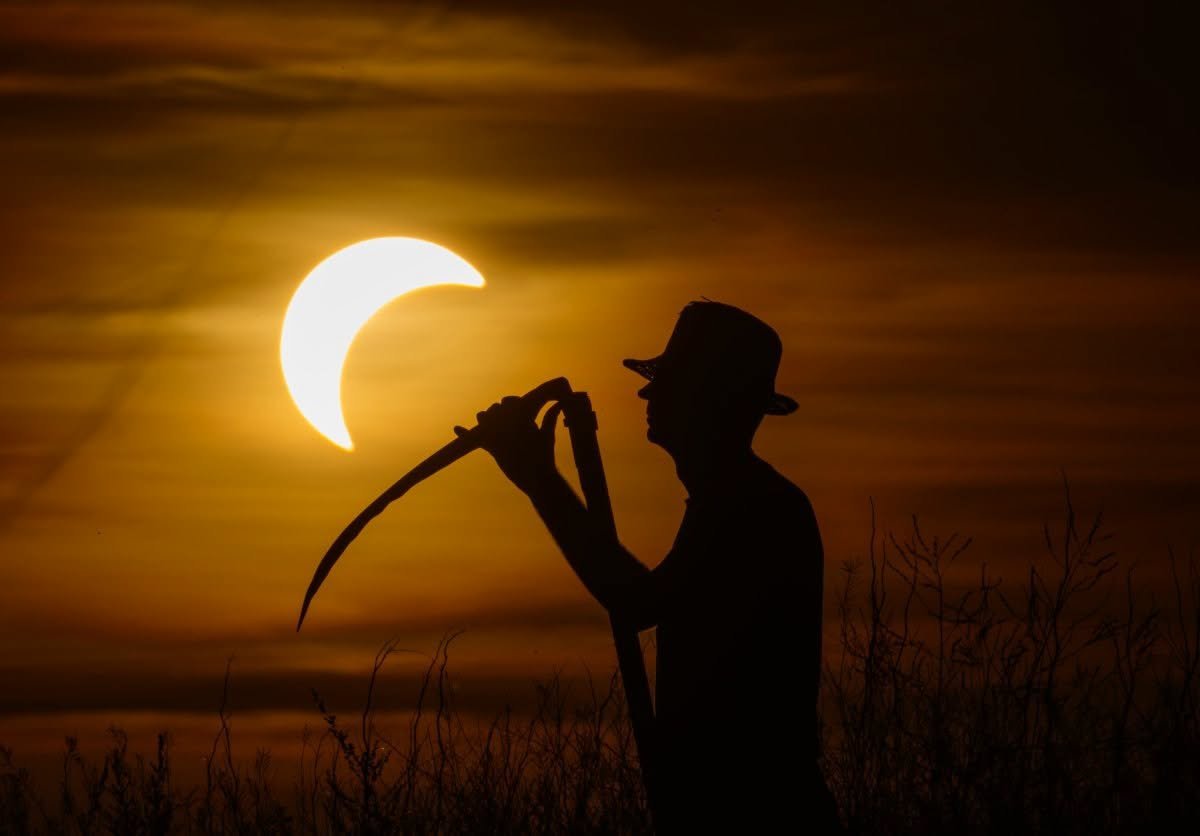
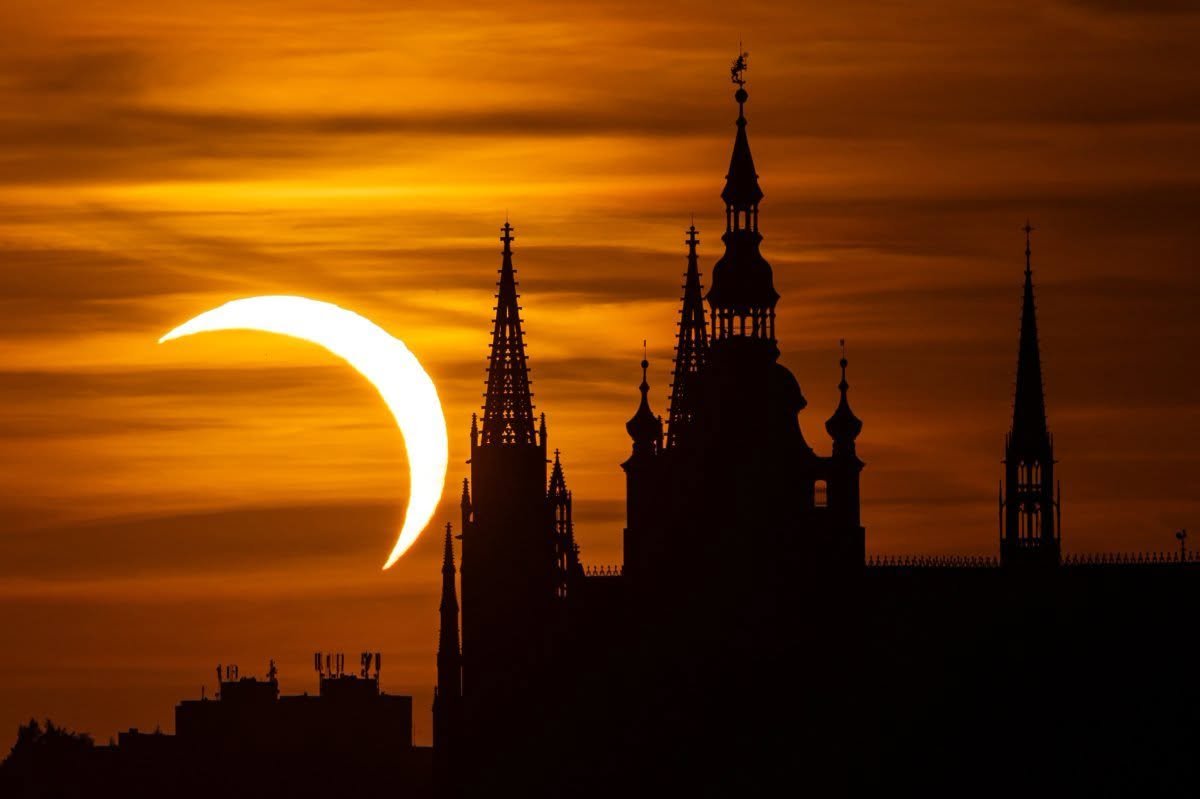

A Rare Alignment of the Sun, Moon and Earth
A total solar eclipse occurs when the Moon moves directly between Earth and the Sun. From certain locations on Earth, the Moon appears large enough to completely cover the Sun’s bright disk.
During the August 12 eclipse, the Moon’s shadow created a path of totality roughly 293 kilometers (182 miles) wide. The path began near Siberia over the Arctic Ocean before crossing Greenland, Iceland and northern Spain, eventually continuing toward the Mediterranean.
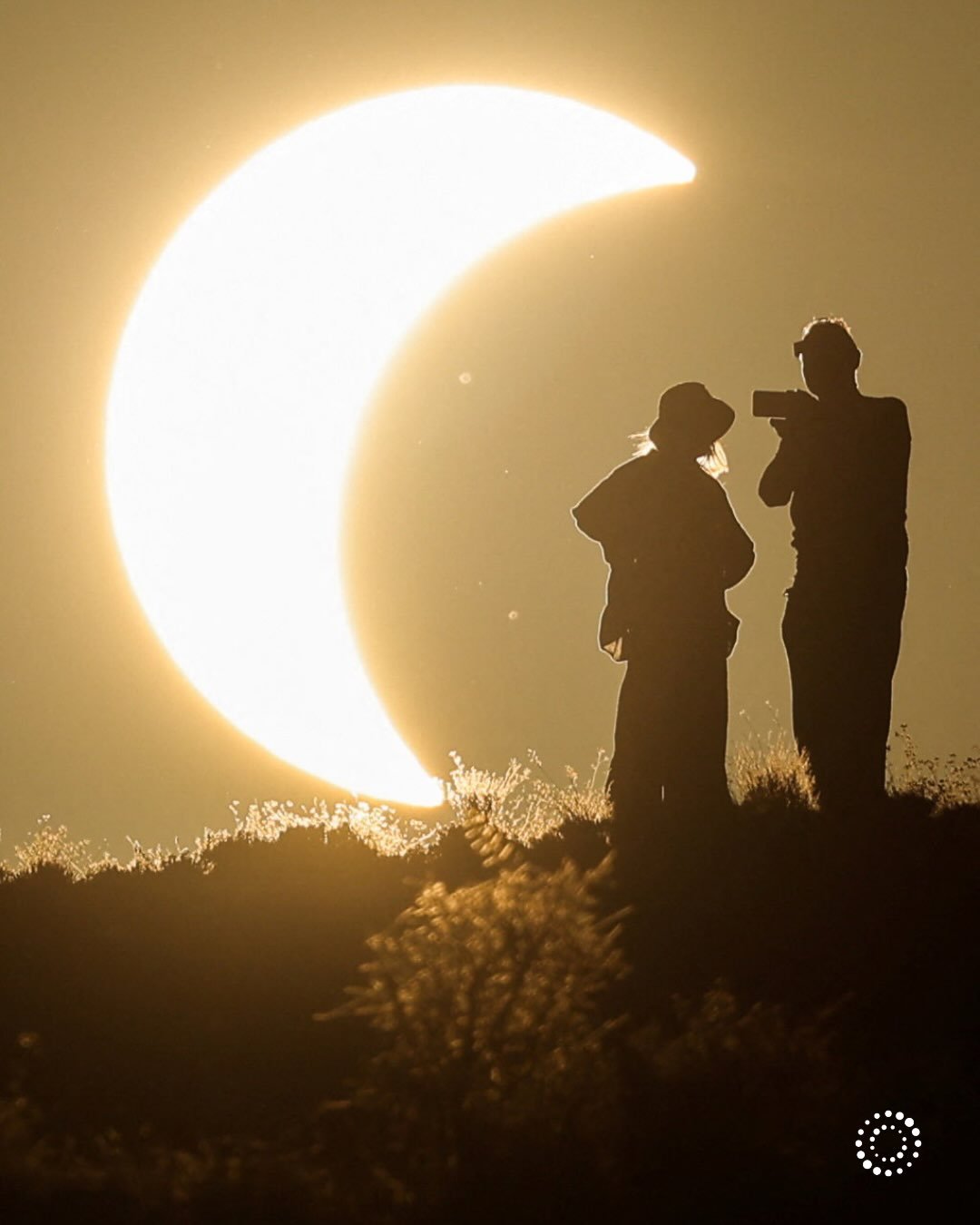
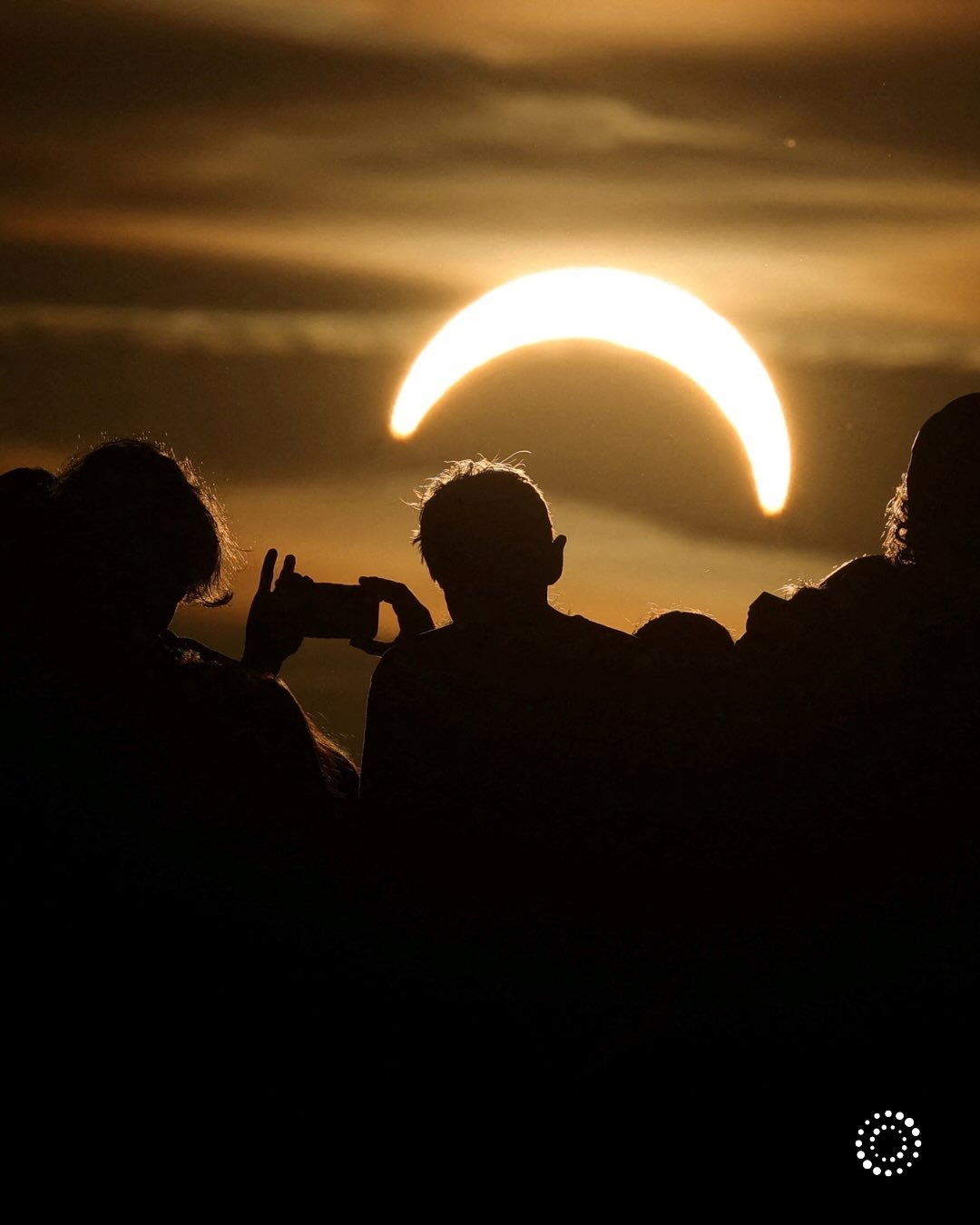
Outside this narrow path, observers could still see a partial solar eclipse, with the Moon appearing to take a bite out of the Sun. Parts of Europe, Scandinavia, northeastern North America, Canada and Alaska experienced the partial phase.
The Sun’s Corona Takes Center Stage
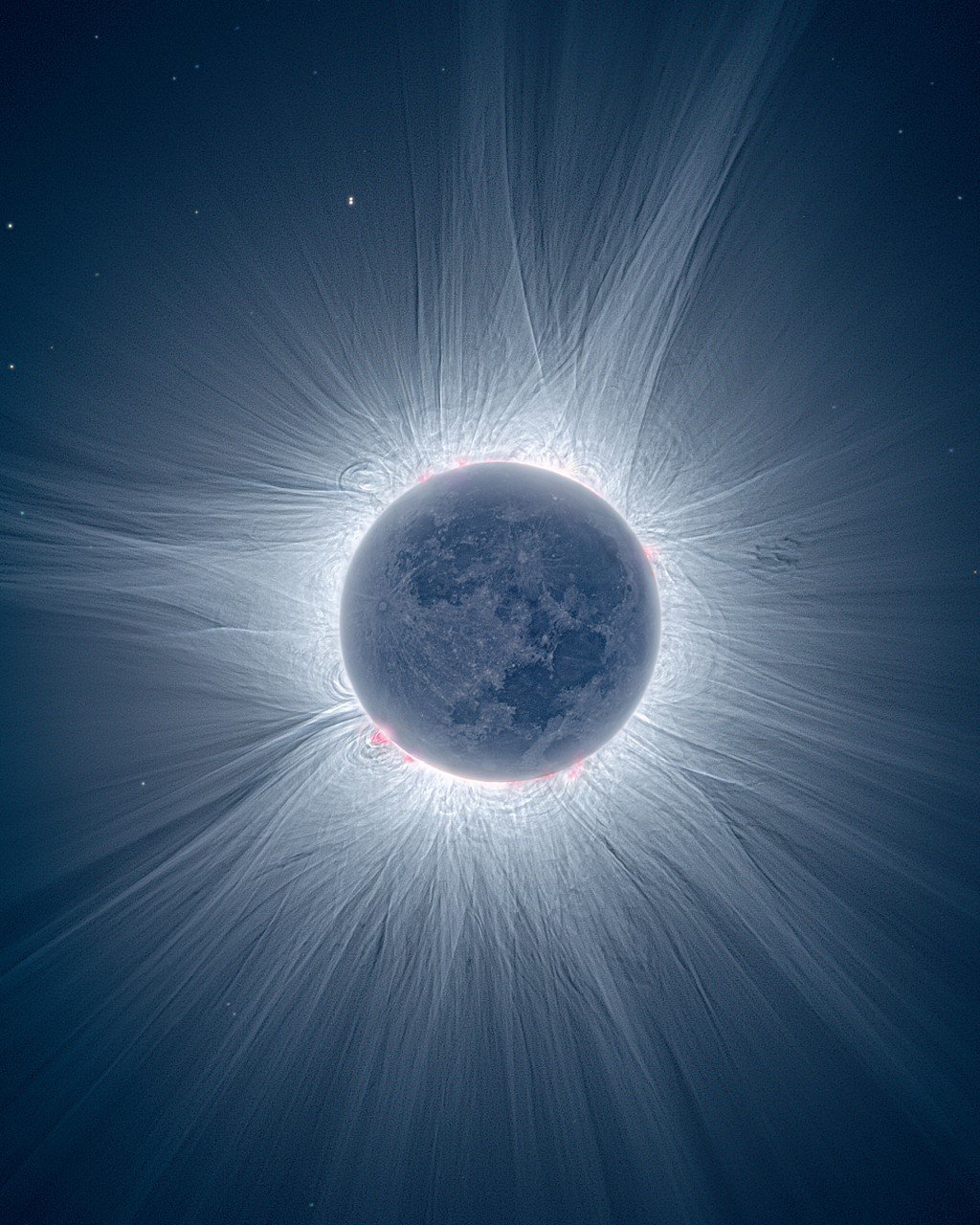
One of the most remarkable parts of a total solar eclipse is something that normally remains hidden from view: the Sun’s corona.
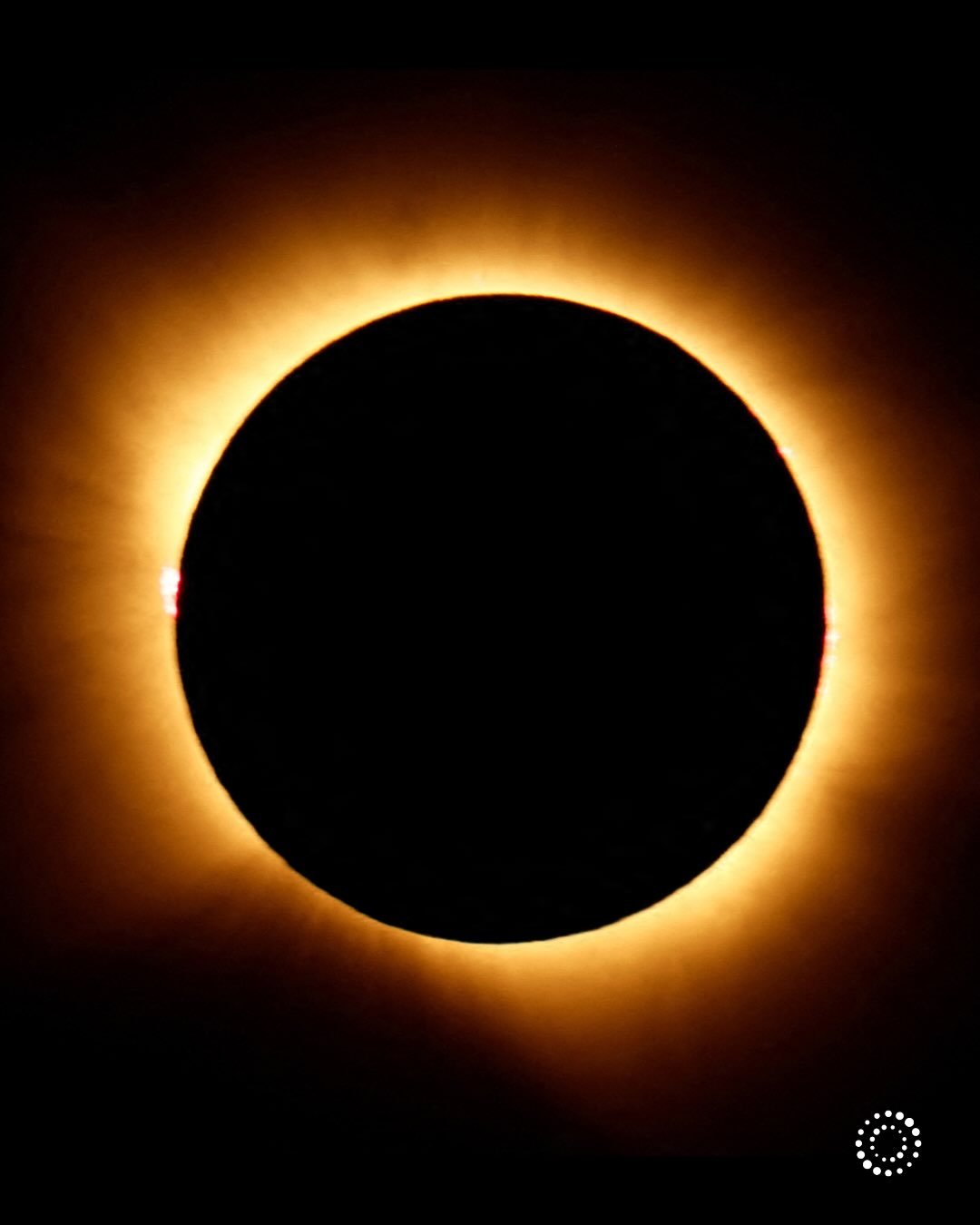
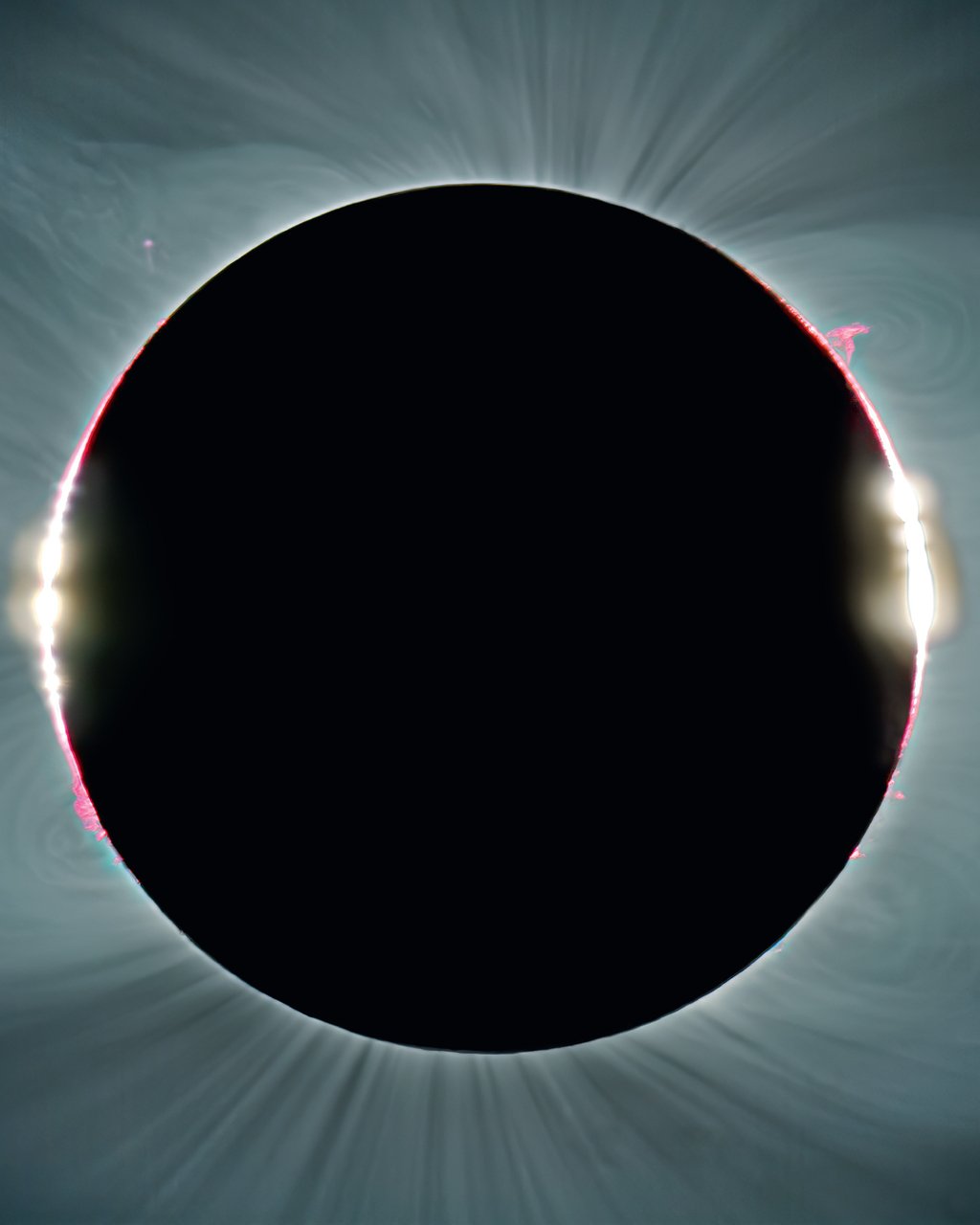
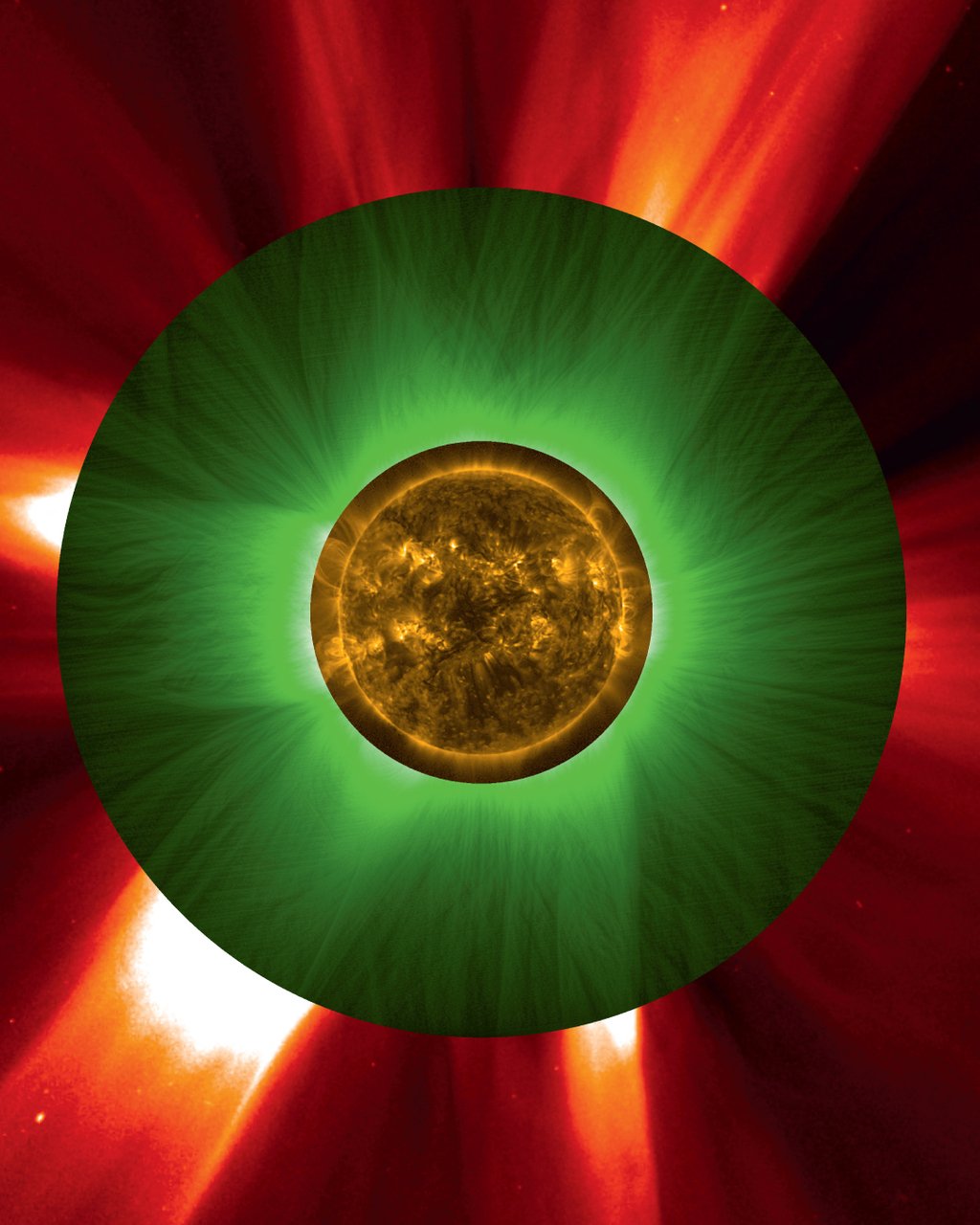
The corona is the Sun’s extremely hot outer atmosphere. Under normal daylight conditions, the overwhelming brightness of the Sun makes it impossible to see directly. During totality, however, the Moon blocks the bright solar disk and reveals the corona as a delicate, glowing structure extending into the surrounding darkness.
Observers also reported seeing bright features around the edge of the Moon, including solar prominences. Some planets were visible during the darkness of totality as well, adding another layer to an already extraordinary scene.
For many eclipse watchers, the experience was about much more than simply seeing a dark circle in front of the Sun. The sudden transformation of the landscape, the changing light and the appearance of the solar corona created a moment that was difficult to capture fully in photographs.
Spain Delivered Some of the Best Views
Although the eclipse crossed several spectacular locations, weather conditions played a major role in determining who actually saw totality.
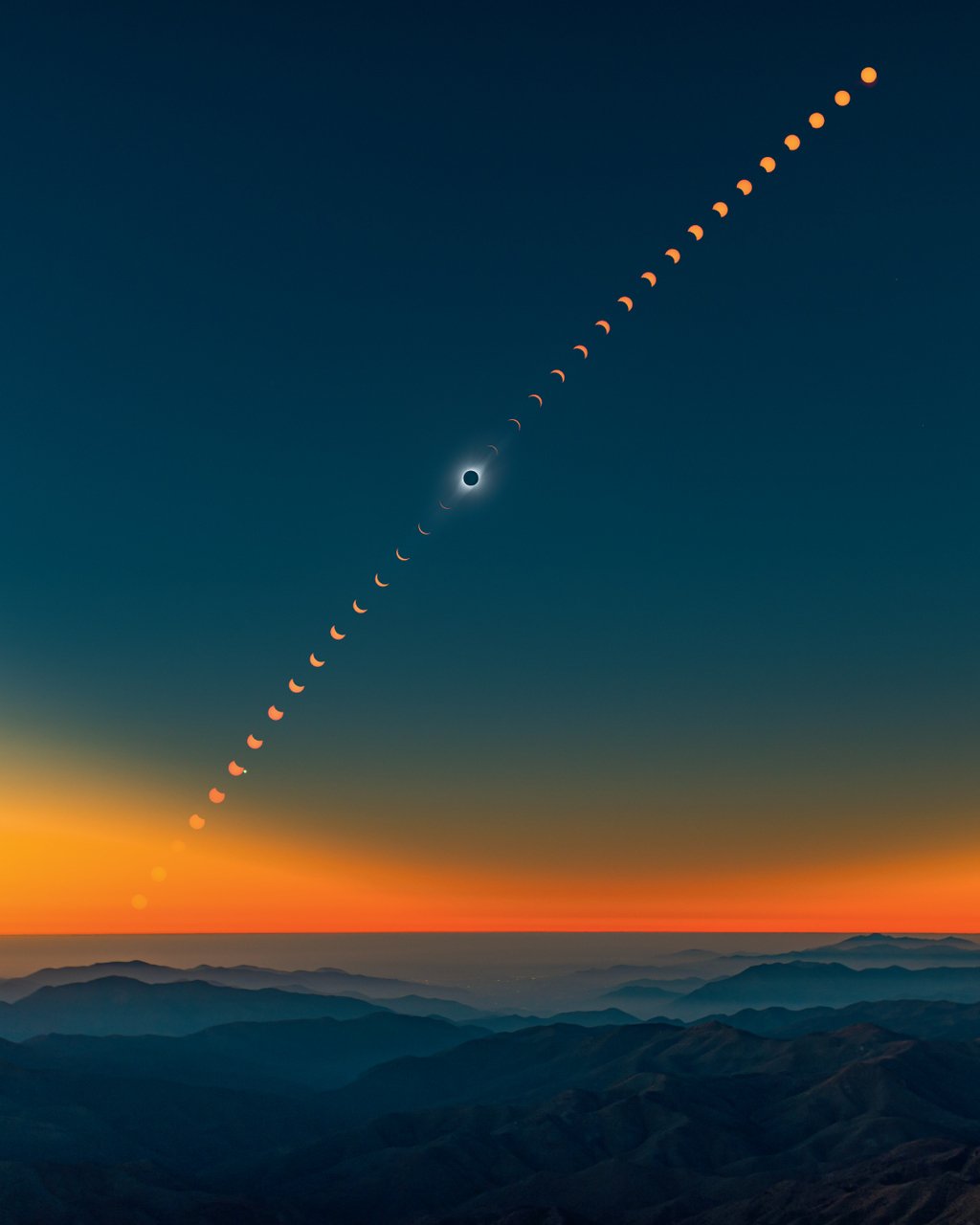
Clouds affected portions of Greenland and Iceland, while Spain offered much clearer conditions in many locations. As the eclipse occurred relatively close to sunset over Spain, photographers captured dramatic scenes of the eclipsed Sun against the darkening sky.
Large crowds gathered across northern Spain to experience the event. Images from locations including Valoria la Buena and other parts of the country showed the Moon completely covering the Sun, leaving the glowing corona visible around its dark silhouette.
The eclipse even crossed the Balearic Islands before the path of totality ended over the Mediterranean Sea.
Why Total Solar Eclipses Are So Special
Solar eclipses happen because of an extraordinary coincidence in our cosmic neighborhood.
The Sun is vastly larger than the Moon, but it is also vastly farther away. As a result, the two objects can appear surprisingly similar in size from Earth.
The Moon’s orbit around Earth is slightly elliptical, meaning its distance from our planet changes. When the Moon is at an appropriate distance and the alignment is just right, it can appear large enough to completely cover the Sun.
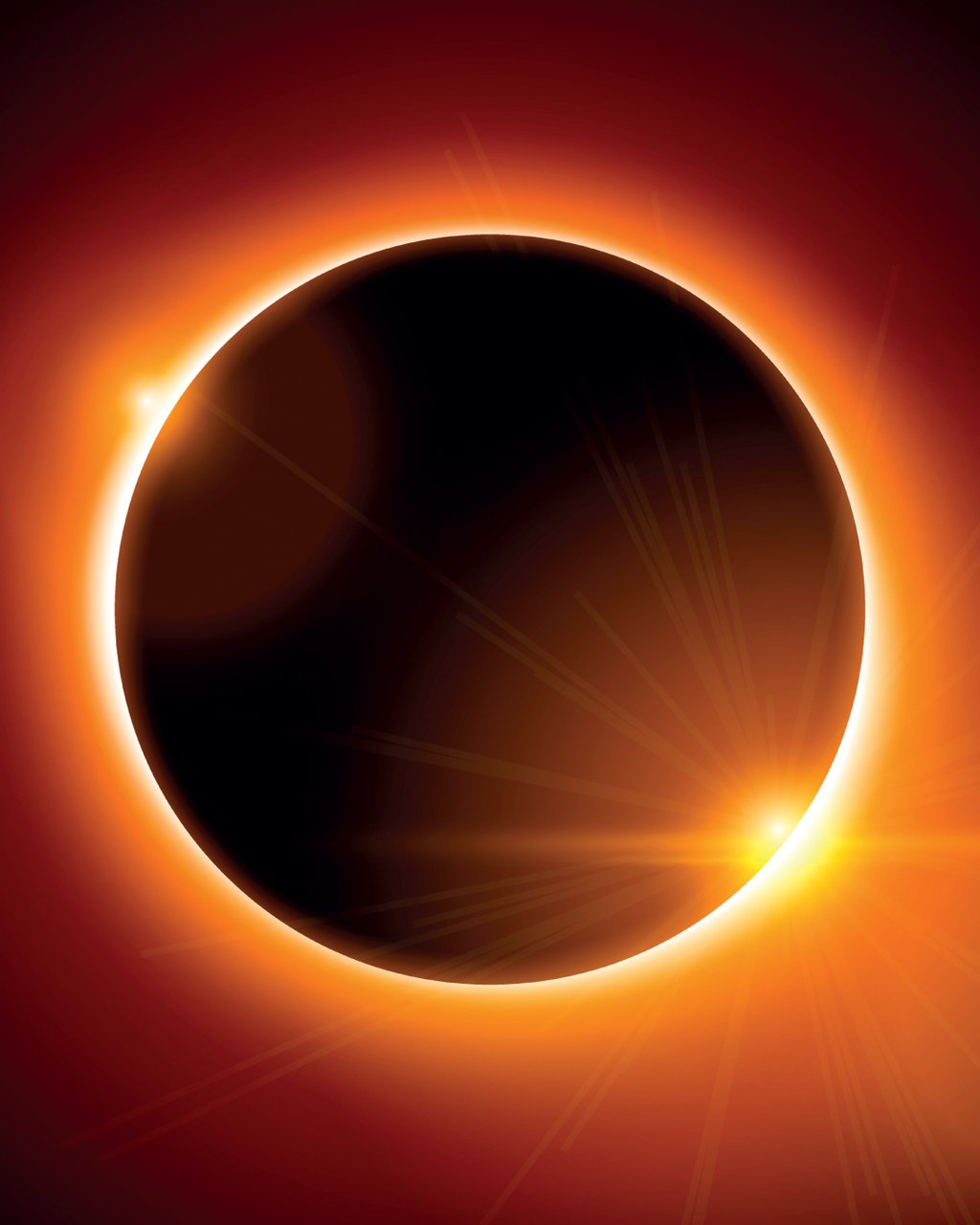
If the Moon is farther away and appears smaller, it cannot completely cover the solar disk. Instead, a bright ring of sunlight remains visible around it, producing an annular or “ring of fire” eclipse.
The Eclipse Was More Than Just a Beautiful Sight
A total solar eclipse is also a valuable opportunity for scientists.
When the Moon blocks the Sun’s bright surface, researchers can study the corona and other solar phenomena that are difficult to observe under normal conditions. Eclipse observations can complement spacecraft and space-based solar observatories, providing another way to understand our nearest star.
The timing of the 2026 eclipse was particularly interesting because the Sun remains an active object, with solar flares, coronal mass ejections and other forms of solar activity continuing to shape the space environment around Earth.
That makes eclipses not only spectacular astronomical events, but also opportunities to observe the Sun in unusual ways.
A Moment That Lasted Only Minutes
The extraordinary darkness of totality is brief. The Moon’s shadow moves rapidly across Earth, meaning observers in the path have only a short window to experience the full eclipse.
That fleeting nature is part of what makes total solar eclipses so memorable. After months or even years of planning, the event arrives, the sky changes dramatically, and then the Sun slowly returns.
On August 12, millions of people experienced that transformation firsthand.
For some, it was a scientific observation. For others, it was a once-in-a-lifetime travel experience. And for many, it was simply a reminder of how precisely the Sun, Moon and Earth move together through space.
When Is the Next Total Solar Eclipse?
The next total solar eclipse will take place on August 2, 2027.
Its path of totality will cross parts of southern Spain, Morocco, Algeria, Tunisia, Libya, Egypt, Sudan, Saudi Arabia, Yemen and Somalia. A partial eclipse will be visible across a much wider region, including parts of Europe, Africa, the Middle East and Southeast Asia.
For eclipse chasers, the 2026 event may already be over—but the next spectacular appointment with the Moon’s shadow is less than a year away.
Final Thoughts
The August 12, 2026 total solar eclipse was a spectacular reminder that some of the most breathtaking events in the universe can be seen from our own planet.
For a few precious minutes, the Moon covered the Sun, daylight became twilight and the Sun’s hidden corona emerged around the dark lunar disk.
It was a cosmic alignment measured in millions of kilometers—but experienced by people simply looking up at the sky.
The eclipse ended. The memory will last much longer.