
The annual Perseid meteor shower is returning to the night sky, and 2026 could be an especially good year to watch it.
According to NASA, the Perseids are expected to reach their peak during the night of August 12 into the morning of August 13, 2026. The nights immediately before and after the peak can also offer good opportunities to spot meteors.
Even better, this year’s peak occurs around a new Moon, meaning there will be little to no moonlight washing out the fainter meteors. If you can find clear skies away from city lights, conditions could be excellent for meteor watching.
What Are the Perseids?
Brad Sutton/National Parks Service
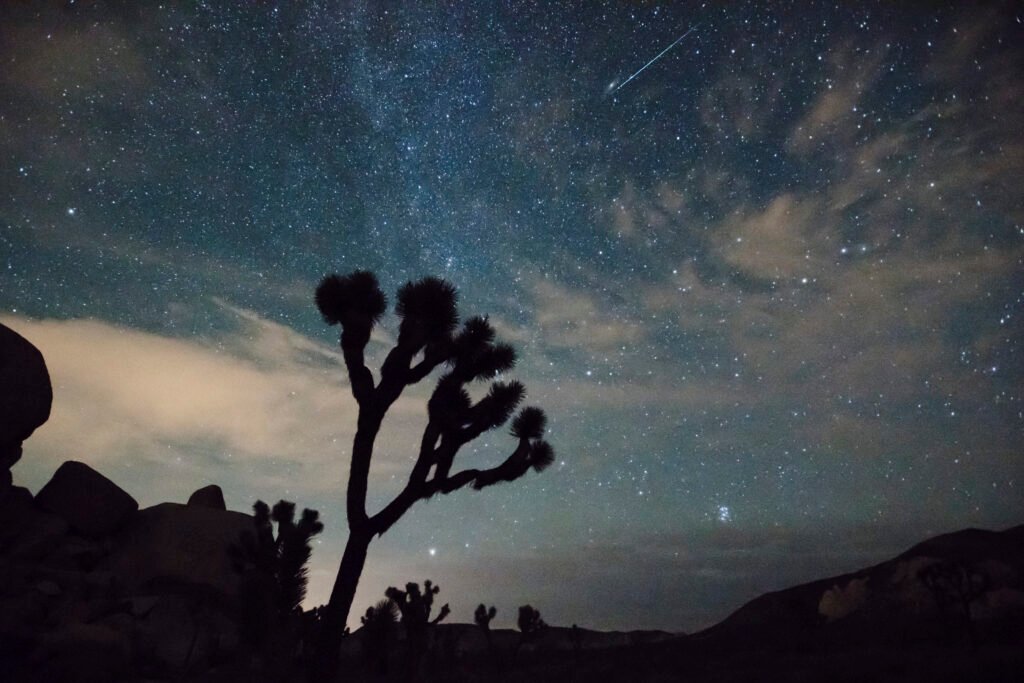
The Perseids are one of the most famous meteor showers of the year. They are created by debris left behind by Comet 109P/Swift-Tuttle as it travels around the Sun.
Every year, Earth passes through this stream of tiny particles. When those particles enter Earth’s atmosphere at high speed, they heat up and vaporize, producing the bright streaks of light we call meteors.
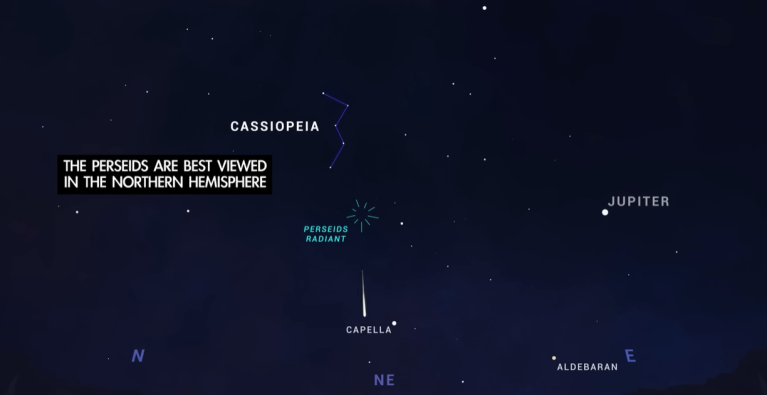
The meteors appear to originate from a region of the sky near the constellation Perseus, which is where the shower gets its name.
When Will the Perseids Peak?
The 2026 Perseids are expected to peak:
 Night of August 12 → Morning of August 13, 2026
The shower is active from mid-to-late July through most of August, but activity increases around the peak. NASA notes that the number of meteors can vary considerably from year to year. Under favorable conditions, the Perseids can produce roughly 50–100 meteors per hour during peak activity.
That doesn’t mean you’ll necessarily see 100 meteors every hour. The actual number depends on factors such as light pollution, clouds, your location, and how much of the sky you can see.
Why 2026 Could Be a Great Year
One of the biggest advantages this year is the Moon.
The Perseids’ 2026 peak coincides with a new Moon, so moonlight won’t significantly brighten the sky. That makes it easier to see the fainter meteors that would otherwise be lost against a bright lunar sky.
For the best experience, however, you’ll still want to escape artificial light.
A dark rural location can reveal dramatically more meteors than a brightly lit city.
How to Watch the Perseids
What’s Up: August 2023, NASA/JPL
You don’t need an expensive telescope to enjoy the Perseids. In fact, your eyes are the best equipment.
1. Get Away From City Lights
Find the darkest location you can safely reach. The less artificial light around you, the more meteors you’ll be able to see.
2. Check the Weather
Dark skies aren’t much help if clouds cover them. Check the forecast before heading outside and look for a location with clear conditions.
3. Give Your Eyes Time to Adjust
Once you’re outside, avoid bright lights and phone screens as much as possible. Your eyes need time to become accustomed to the darkness.
4. Look at as Much Sky as Possible
Don’t stare at just one small section of the sky. Lie back or use a reclining chair so you can comfortably watch a wide area overhead.
You don’t necessarily have to look directly toward Perseus. Perseid meteors can appear across a large portion of the sky.
5. Be Patient
Meteor watching is a waiting game. You may see several meteors quickly, followed by several minutes of quiet sky.
That’s completely normal.
Bring a blanket, jacket, water and anything else that will help you stay comfortable outside for a few hours. NASA also recommends bringing friends or family—having more people watching means more eyes scanning the sky.
Can You See the Perseids From Anywhere?
The Perseids are most prominent in the Northern Hemisphere, but observers farther south may still have opportunities to see some meteors when the radiant is above the horizon.
Your exact experience will depend heavily on your latitude, local weather, darkness and the time of night.
For observers in areas with significant light pollution, traveling to a darker location can make a major difference.
What If the Weather Is Cloudy?
If clouds ruin your plans, you don’t necessarily have to miss the show.
NASA is providing a live Perseid meteor shower stream featuring views from the Automated Lunar and Meteor Observatory at NASA’s Marshall Space Flight Center, along with sky views from the International Space Station.
So even if your local sky isn’t cooperating, you may still be able to experience the Perseids online.
A Meteor Shower Created by a Comet
One of the coolest things about the Perseids is that every shooting star is essentially a tiny piece of Comet Swift-Tuttle.
The comet leaves a trail of dust and debris along its orbit. Earth passes through that debris stream every year, and some of those particles plunge into our atmosphere.
For a few seconds, a tiny piece of ancient comet material becomes a brilliant streak across the sky.
The next time you see a Perseid, you’re not simply watching a random flash of light—you are witnessing a tiny fragment of a comet interacting with Earth’s atmosphere.
Don’t Miss the 2026 Perseids
The night of August 12–13, 2026 is one to mark on your calendar.
With the Perseids reaching their annual peak and a new Moon providing naturally dark skies, this year’s shower offers skywatchers a particularly promising opportunity.
Find a dark location, switch off the lights, look up and give yourself some time.
You might see one of the most beautiful natural light shows the night sky has to offer.
Clear skies!
Source: NASA Science. NASA’s Perseid meteor shower guide was updated in August 2026.