
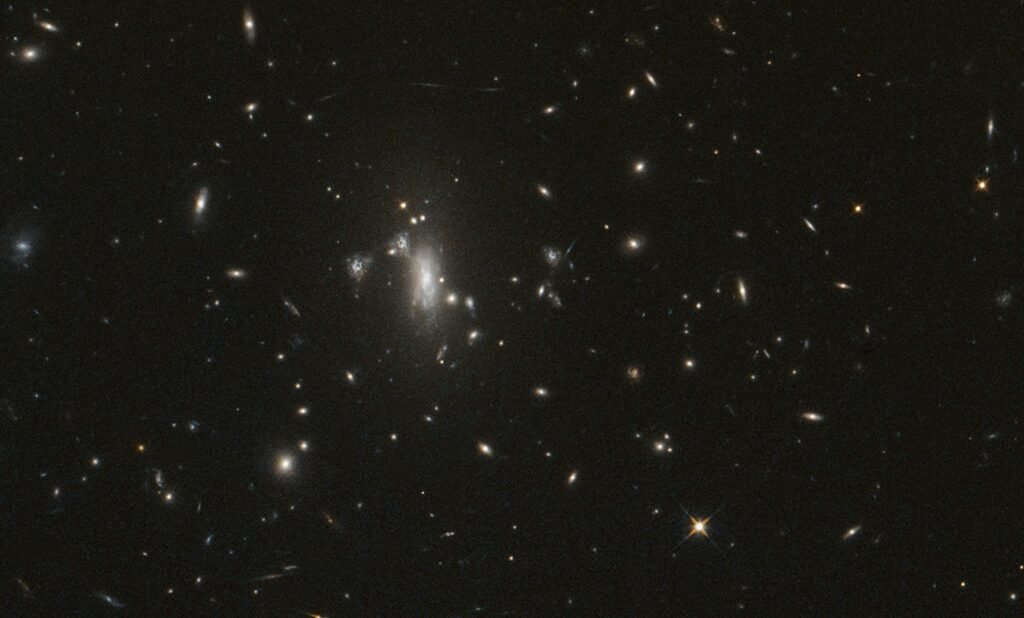
Hubble Celebrates 200,000 Orbits with a Supernova Search
NASA’s Hubble Space Telescope marks its 200,000th orbit, continuing its legacy of groundbreaking astronomical observations.
NASA’s Hubble Space Telescope marks its 200,000th orbit, continuing its legacy of groundbreaking astronomical observations.
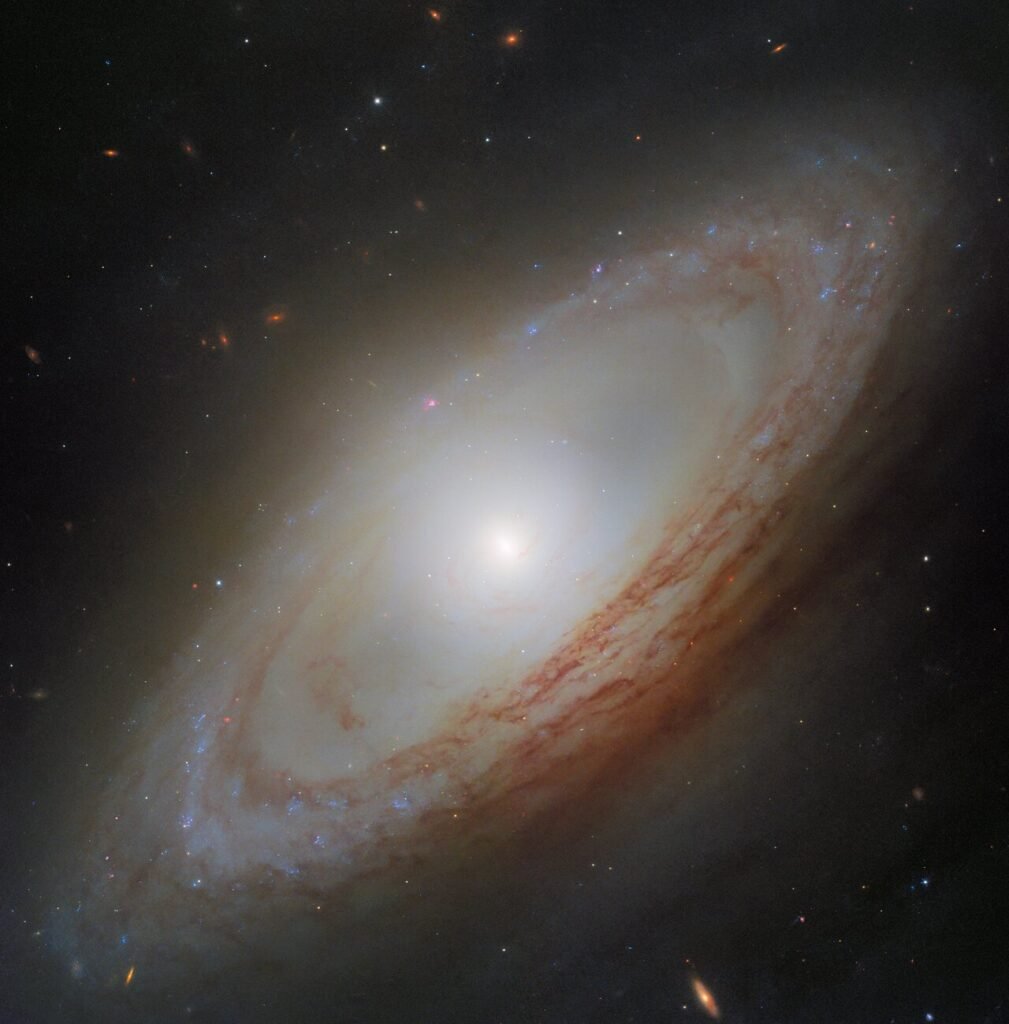
Astronomers have uncovered a fascinating anomaly in the spiral galaxy NGC 4698, where its central stars spin in a direction contrary to its outer arms. This discovery raises questions about the galaxy’s formation and evolution.
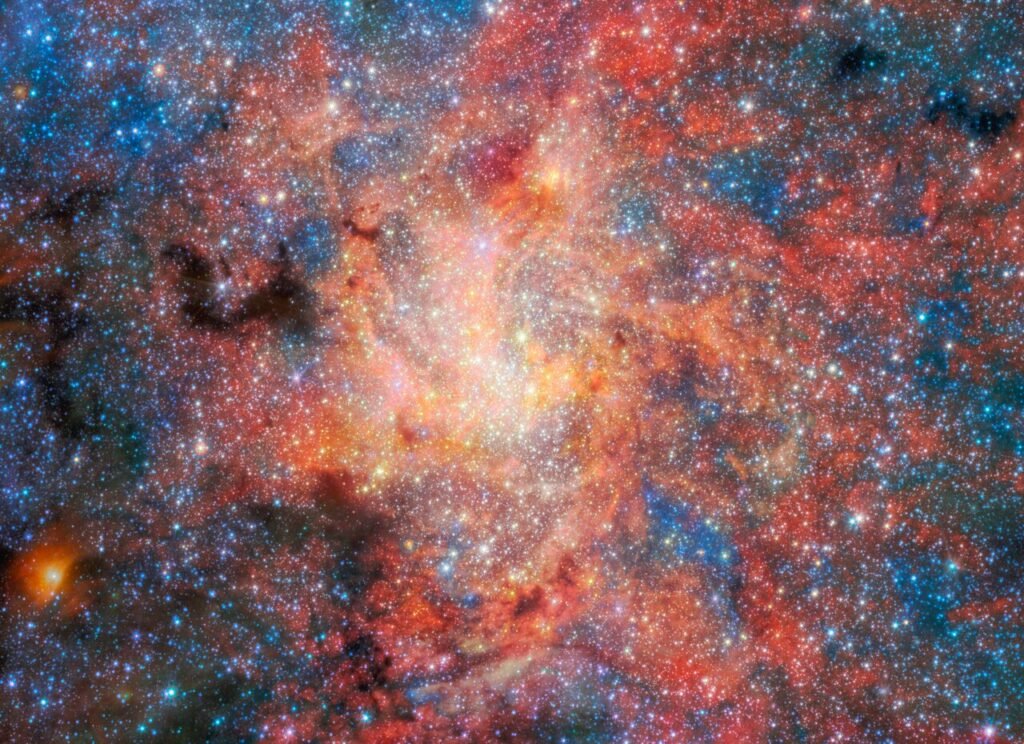
Astronomers using the James Webb Space Telescope found dust and water near the Milky Way’s central black hole, revealing surprising resilience in extreme conditions.
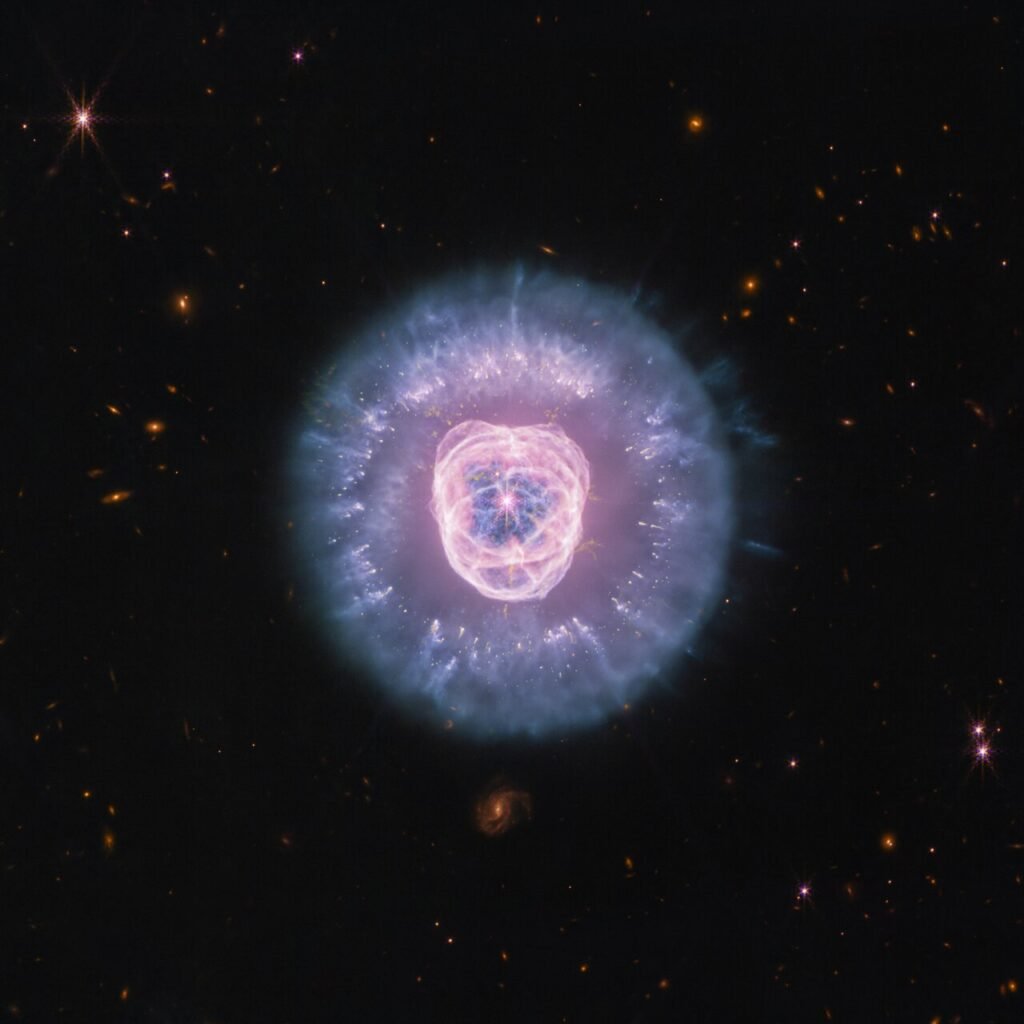
The James Webb Space Telescope has captured breathtaking images of the Lion Nebula, revealing intricate structures of gas and dust. This new perspective enhances our understanding of stellar evolution.
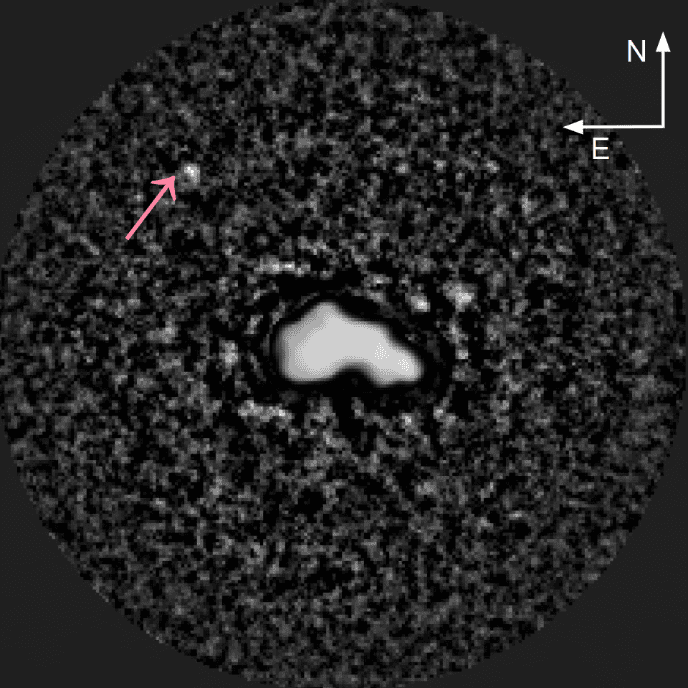
An international team of astronomers has found that Asteroid (44) Nysa may be the first known three-lobed world. They’ve also detected a previously unknown moon orbiting this enigmatic body.
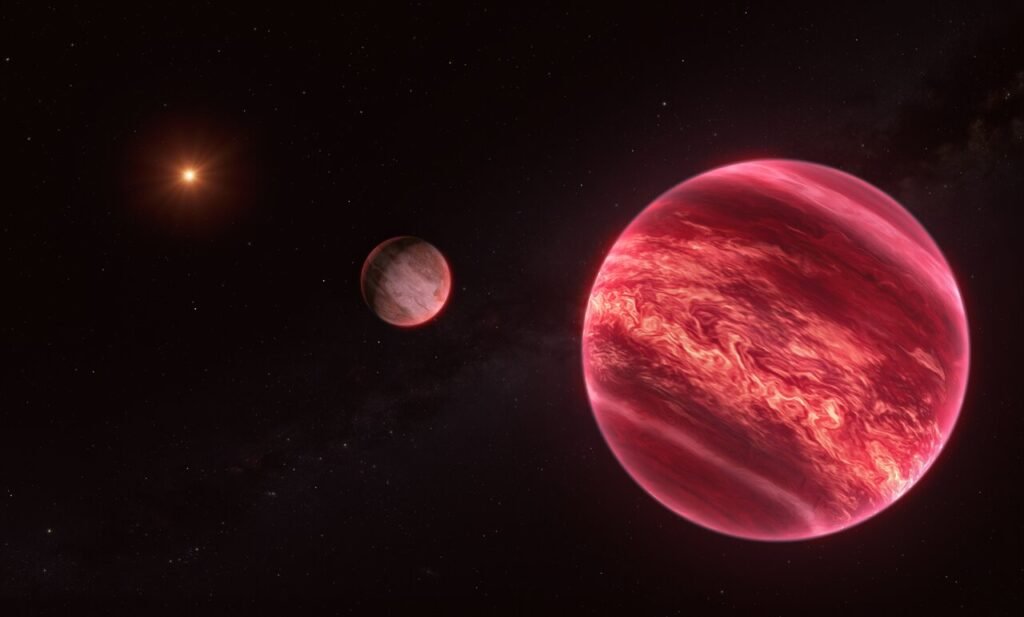
Astronomers have detected a moon-like object in the CD-35 2722 system, orbiting a brown dwarf. This finding raises questions about the definitions of celestial bodies beyond our Solar System.
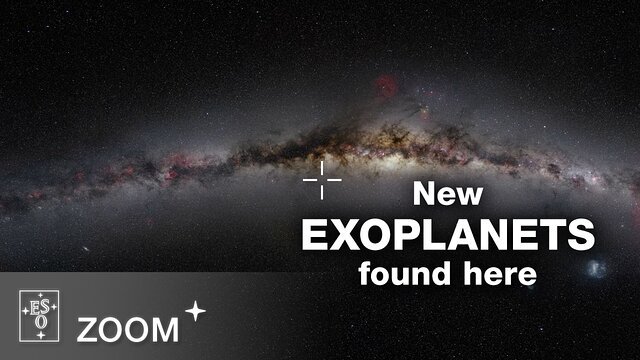
Astronomers have zoomed in on WISPIT 2, a young star with a gas and dust disc where at least two planets are forming. This discovery helps us understand how planetary systems develop.
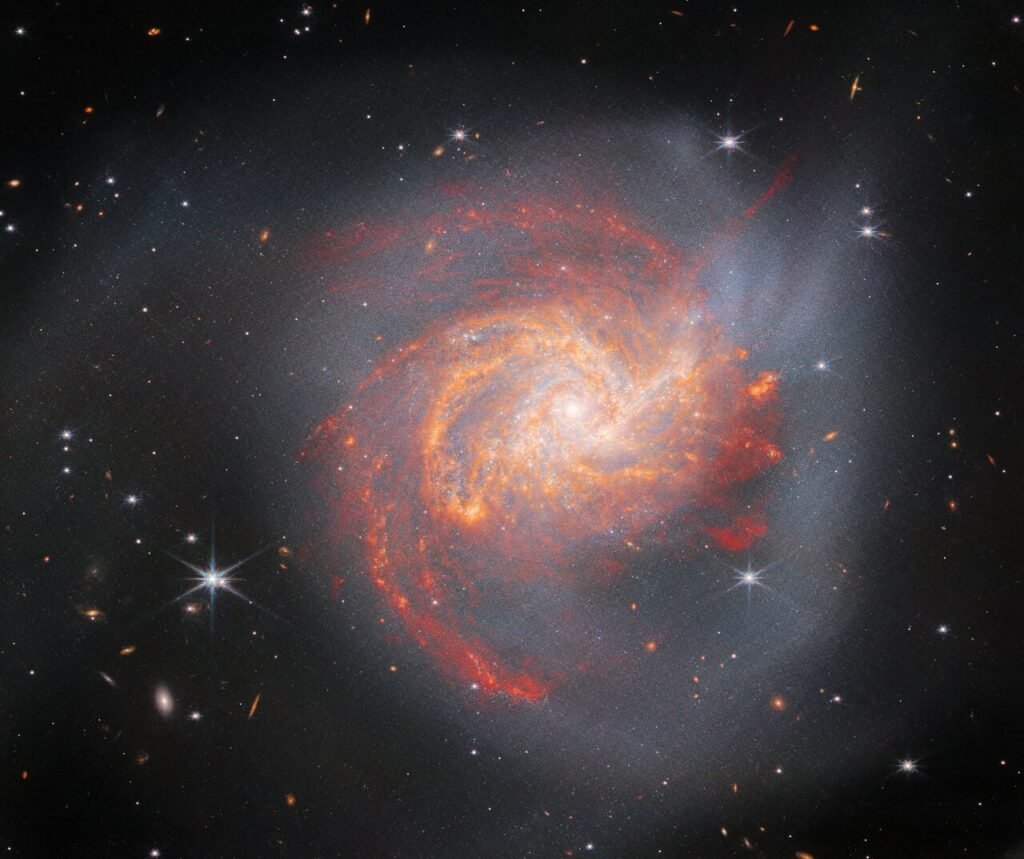
Explore the breathtaking aftermath of the collision between two massive galaxies, captured in stunning detail by the James Webb Space Telescope.
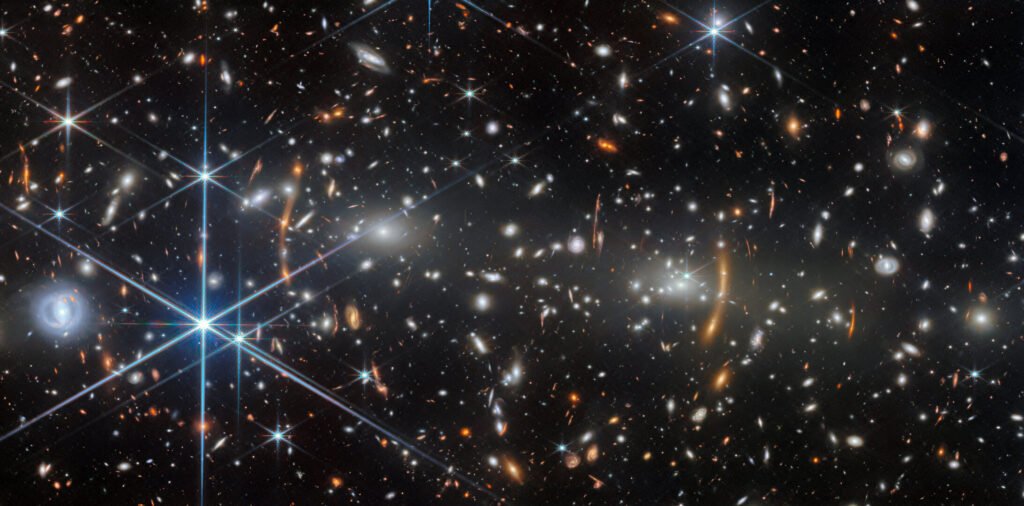
Discover the fascinating journey of galaxy cluster MACS J0553.4-3342, a vibrant cosmic construction site observed by the James Webb Space Telescope.
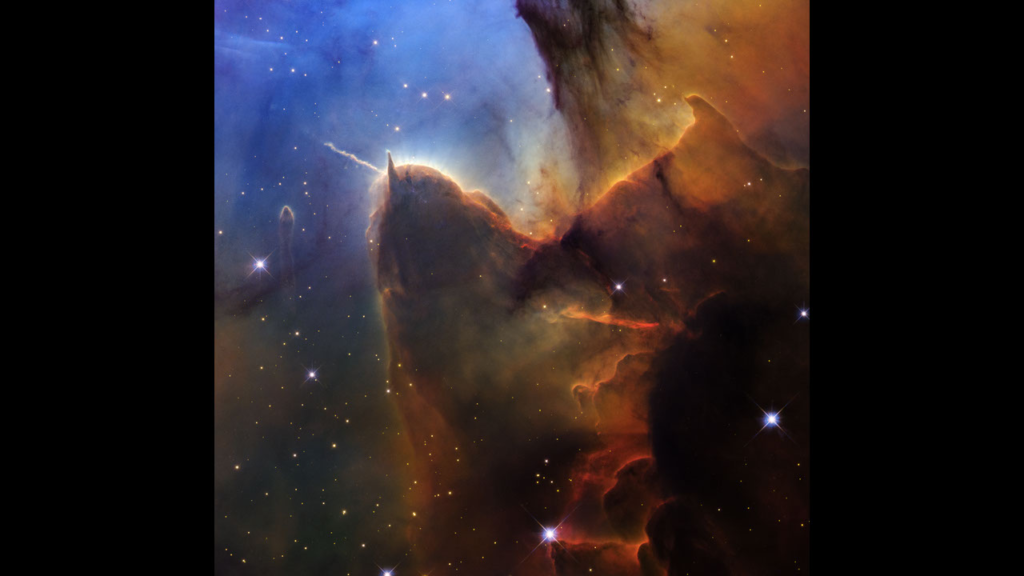
NASA’s Hubble Space Telescope reveals fascinating changes in the Trifid Nebula, comparing stunning images from 1997 and 2026.