
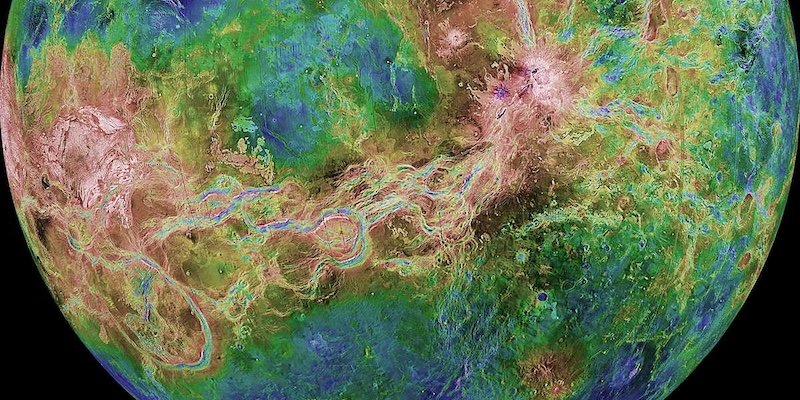
Venus May Still Be Geologically Alive, New Study of Giant Rift Valleys Suggests
Recent research indicates that Venus may still be geologically active, challenging long-held assumptions about the planet’s interior.
Recent research indicates that Venus may still be geologically active, challenging long-held assumptions about the planet’s interior.
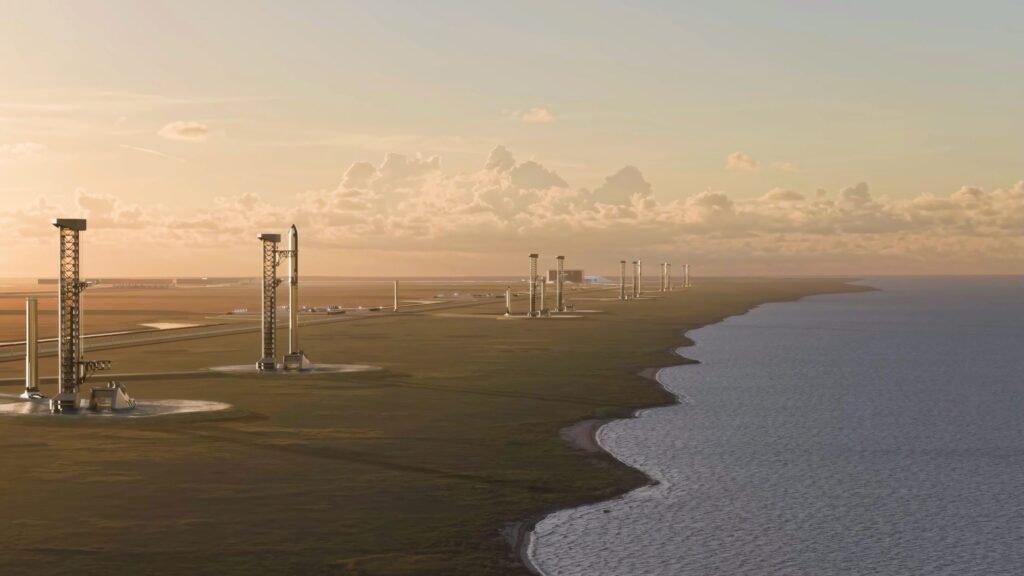
SpaceX is set to build a massive new launch site in Louisiana, promising to revolutionize space travel with thousands of Starship launches each year.
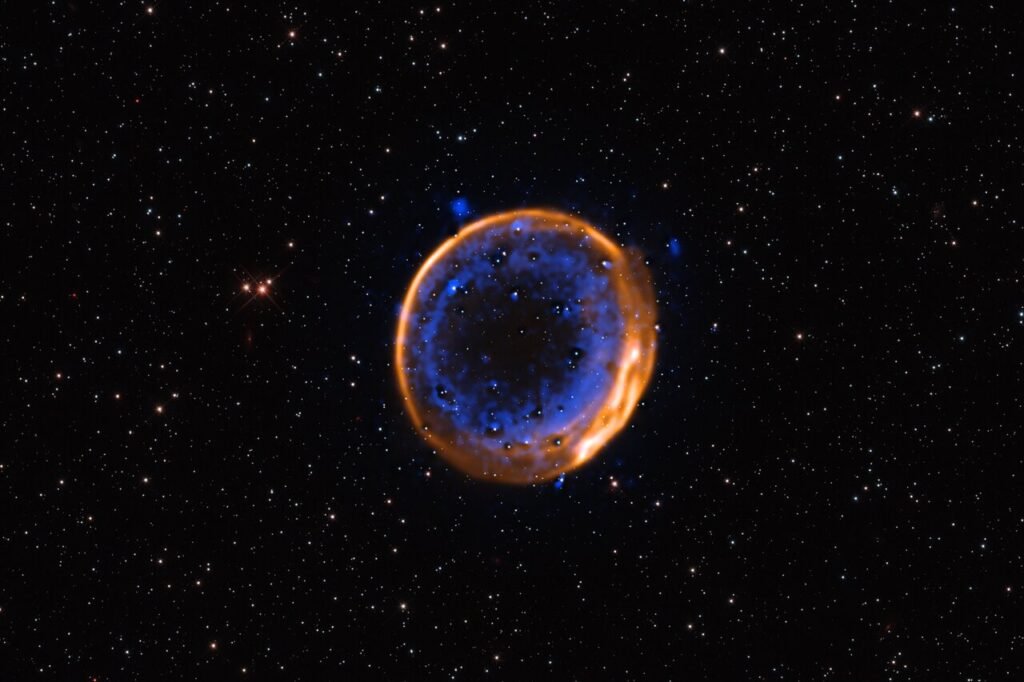
For the first time, astronomers have visual evidence of a star that exploded twice, revealing new insights into the mechanisms behind supernovae.
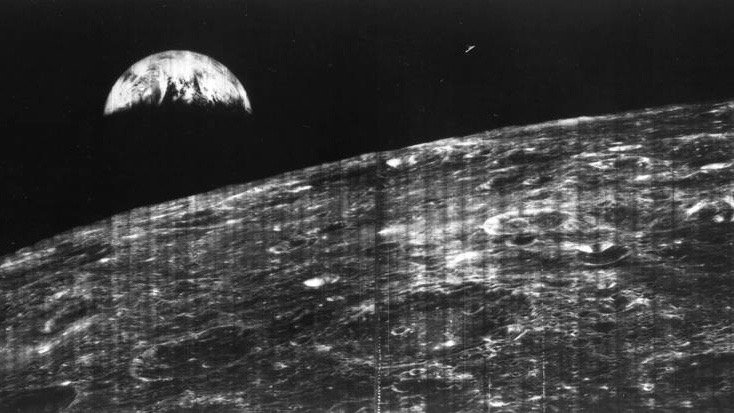
On August 23, 1966, the Lunar Orbiter 1 captured the first-ever image of Earth from the moon, marking a significant moment in space exploration.
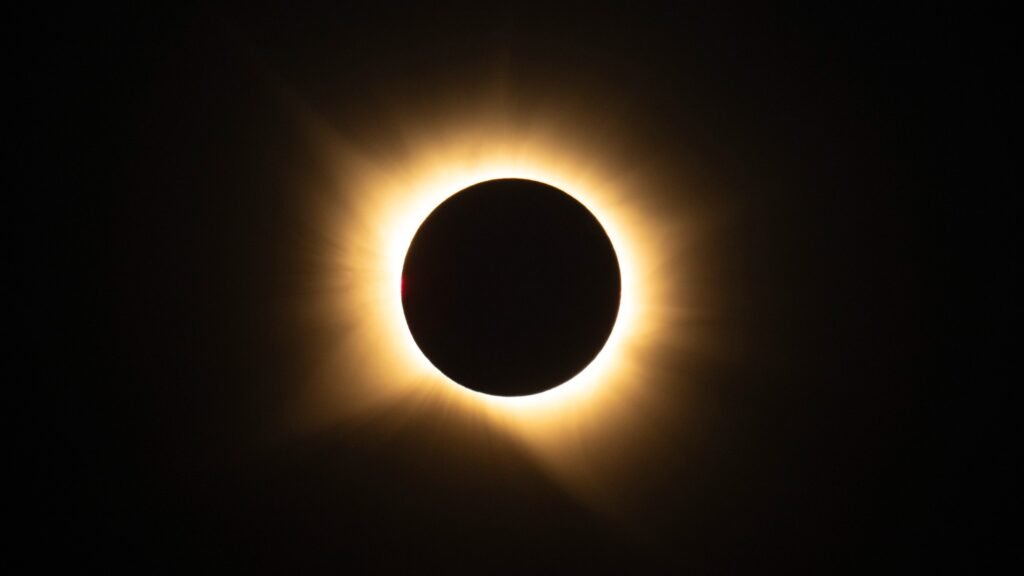
On August 12, 2026, millions witnessed a breathtaking total solar eclipse as the moon’s shadow swept across parts of Greenland, Iceland, and Spain.
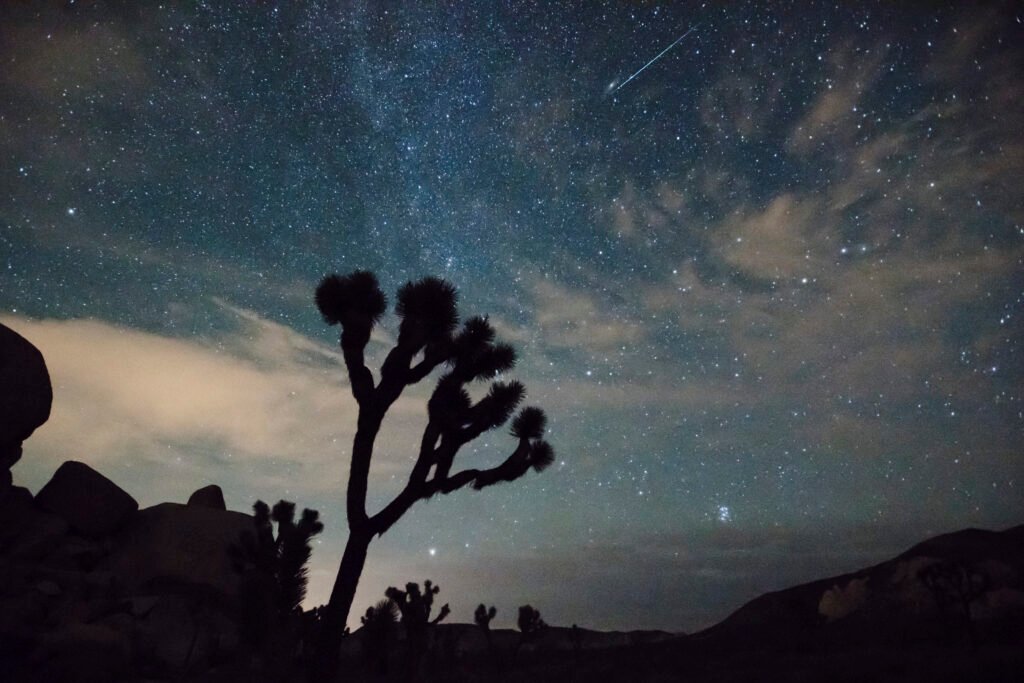
The Perseid meteor shower is set to peak on August 12-13, offering a spectacular display for stargazers. With clear skies and a new moon, conditions are ripe for viewing.
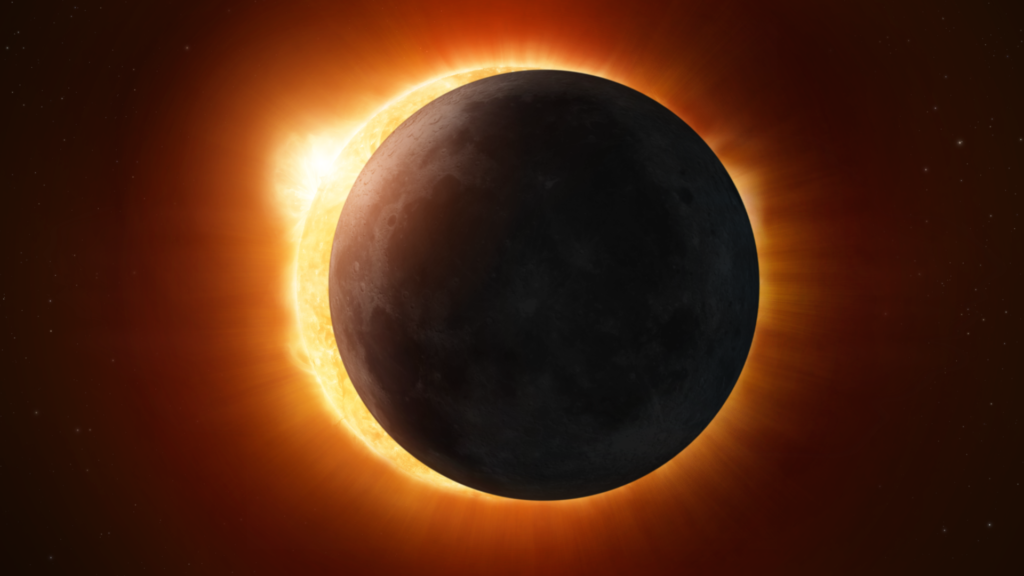
On August 12, 2026, a total solar eclipse will sweep across Europe. The European Space Agency invites everyone to witness this cosmic event through their live broadcast.
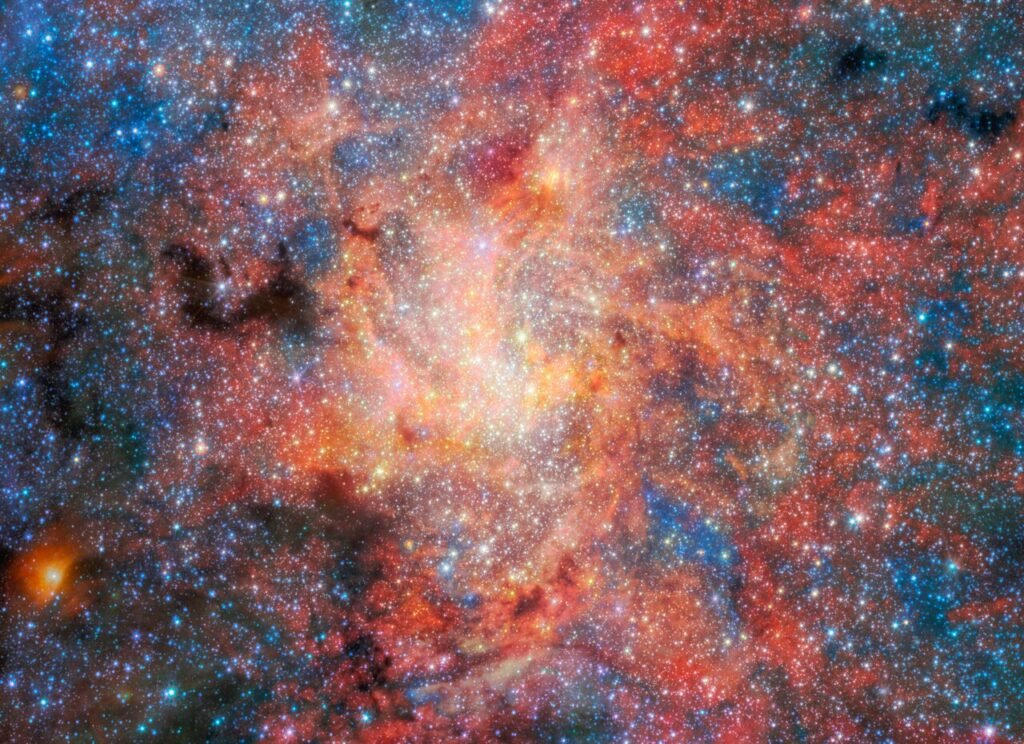
Astronomers using the James Webb Space Telescope found dust and water near the Milky Way’s central black hole, revealing surprising resilience in extreme conditions.
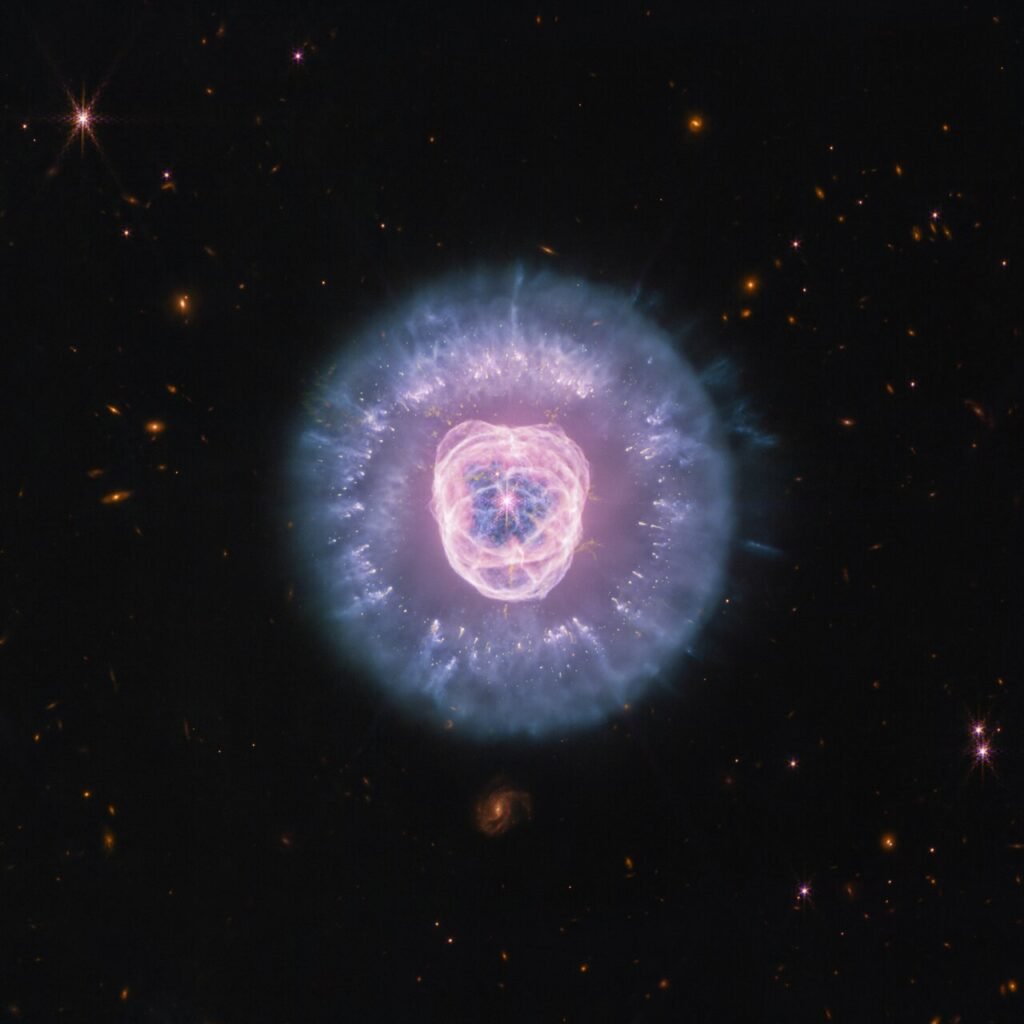
The James Webb Space Telescope has captured breathtaking images of the Lion Nebula, revealing intricate structures of gas and dust. This new perspective enhances our understanding of stellar evolution.
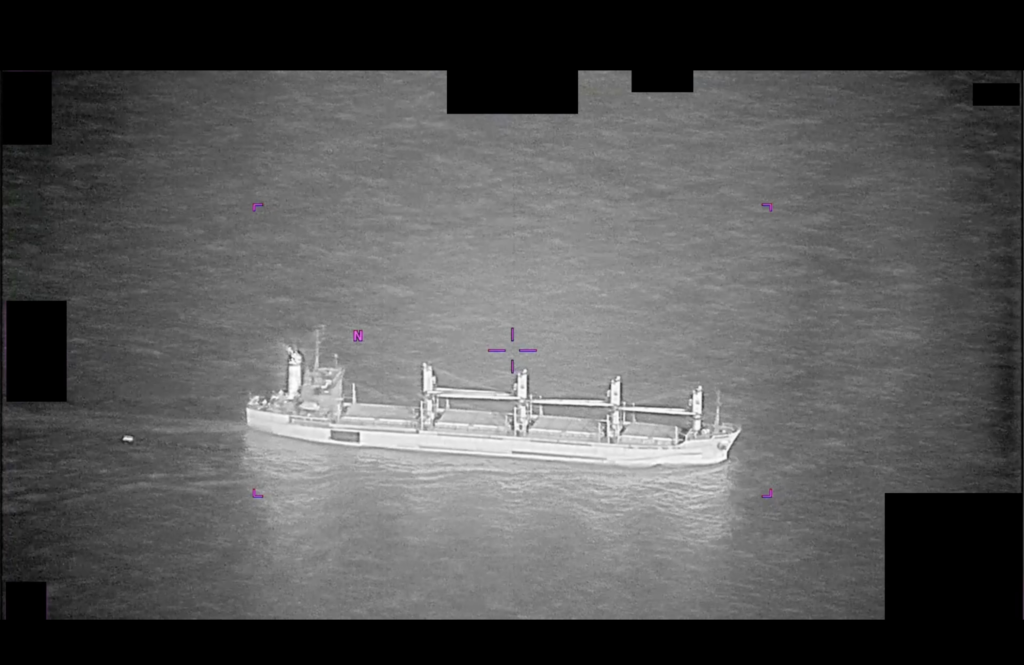
The U.S. Department of Defense has released another batch of declassified records related to Unidentified Anomalous Phenomena (UAPs)—commonly known as UFOs—continuing an unprecedented government transparency initiative.